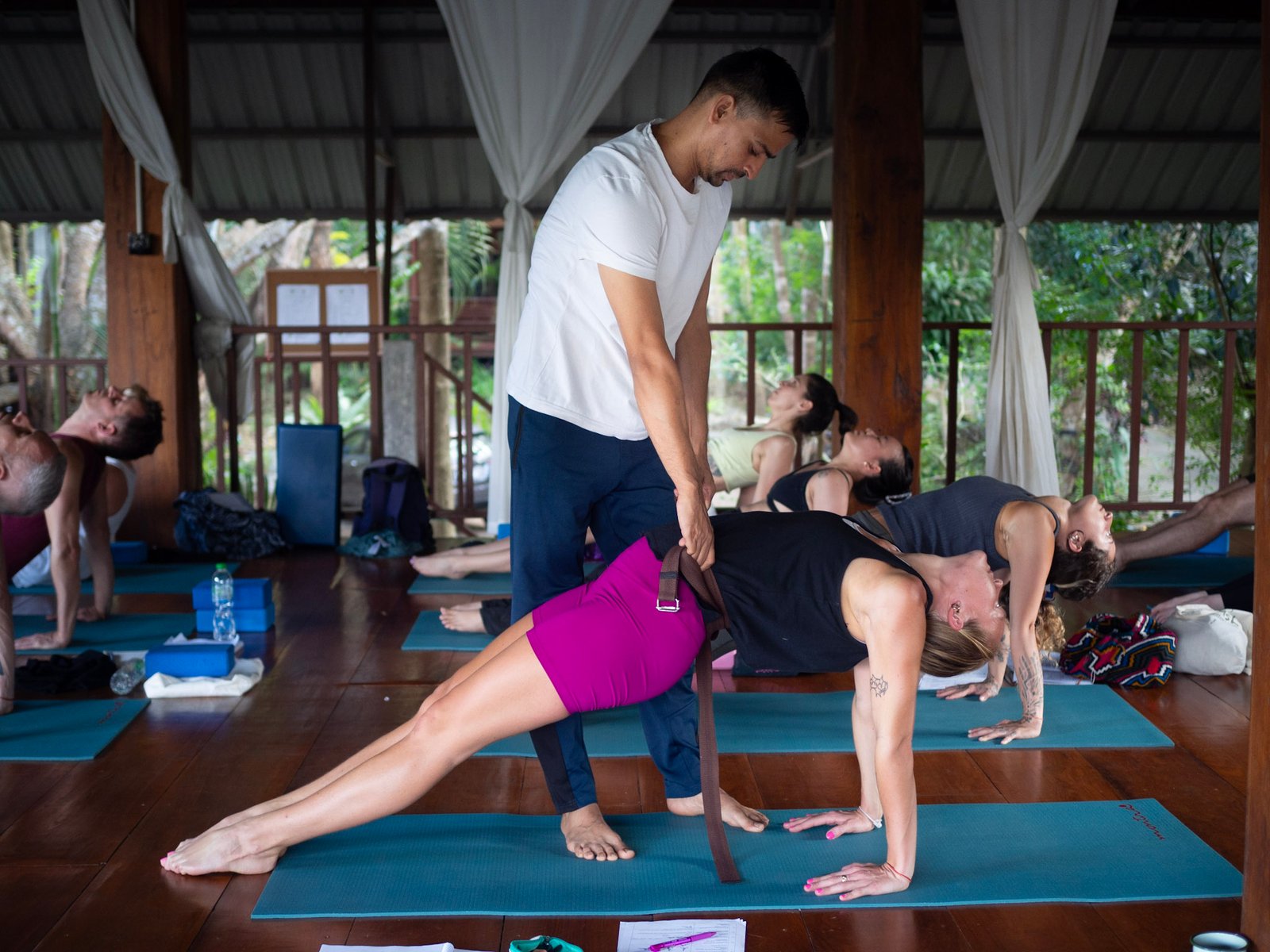
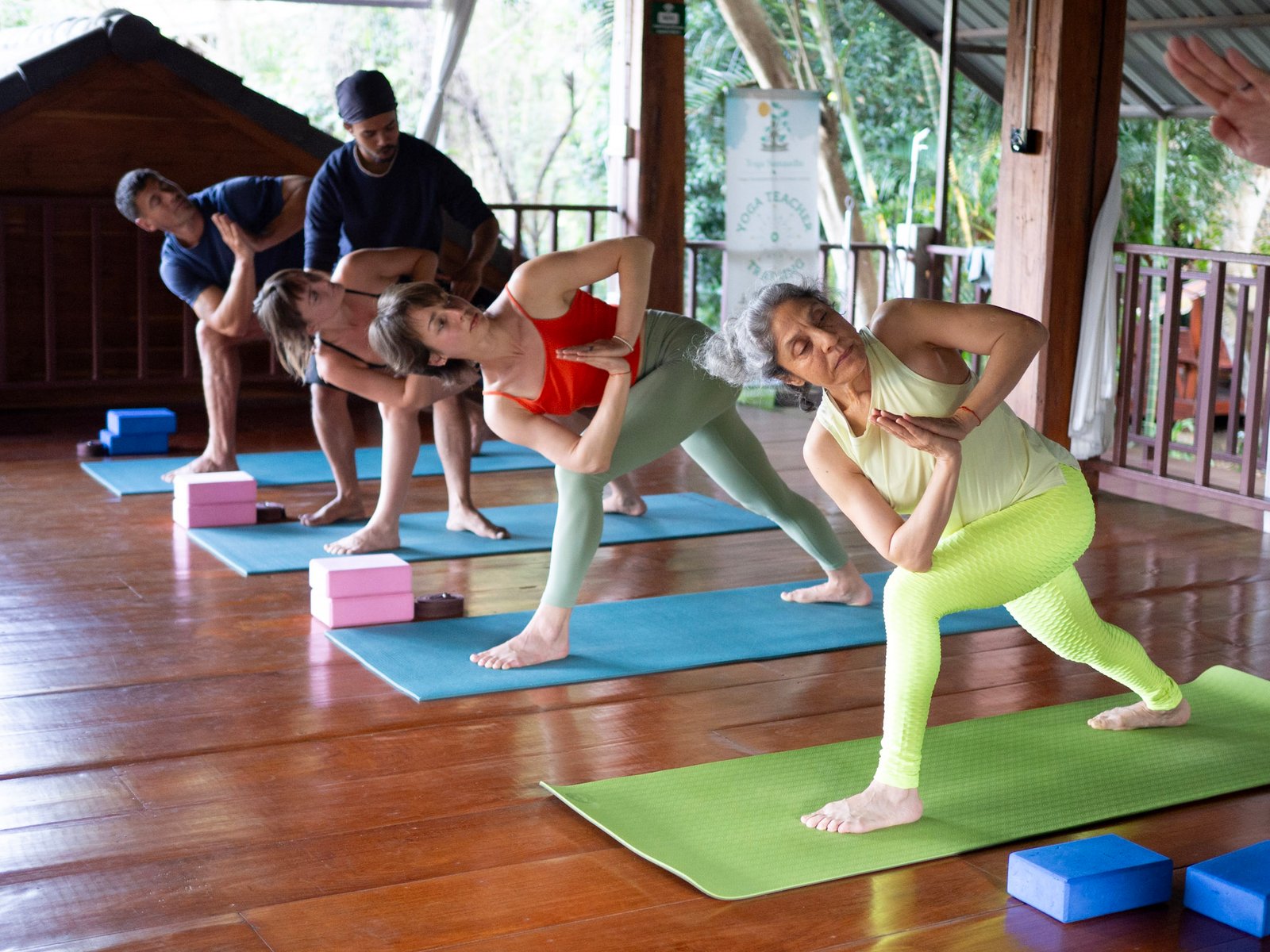
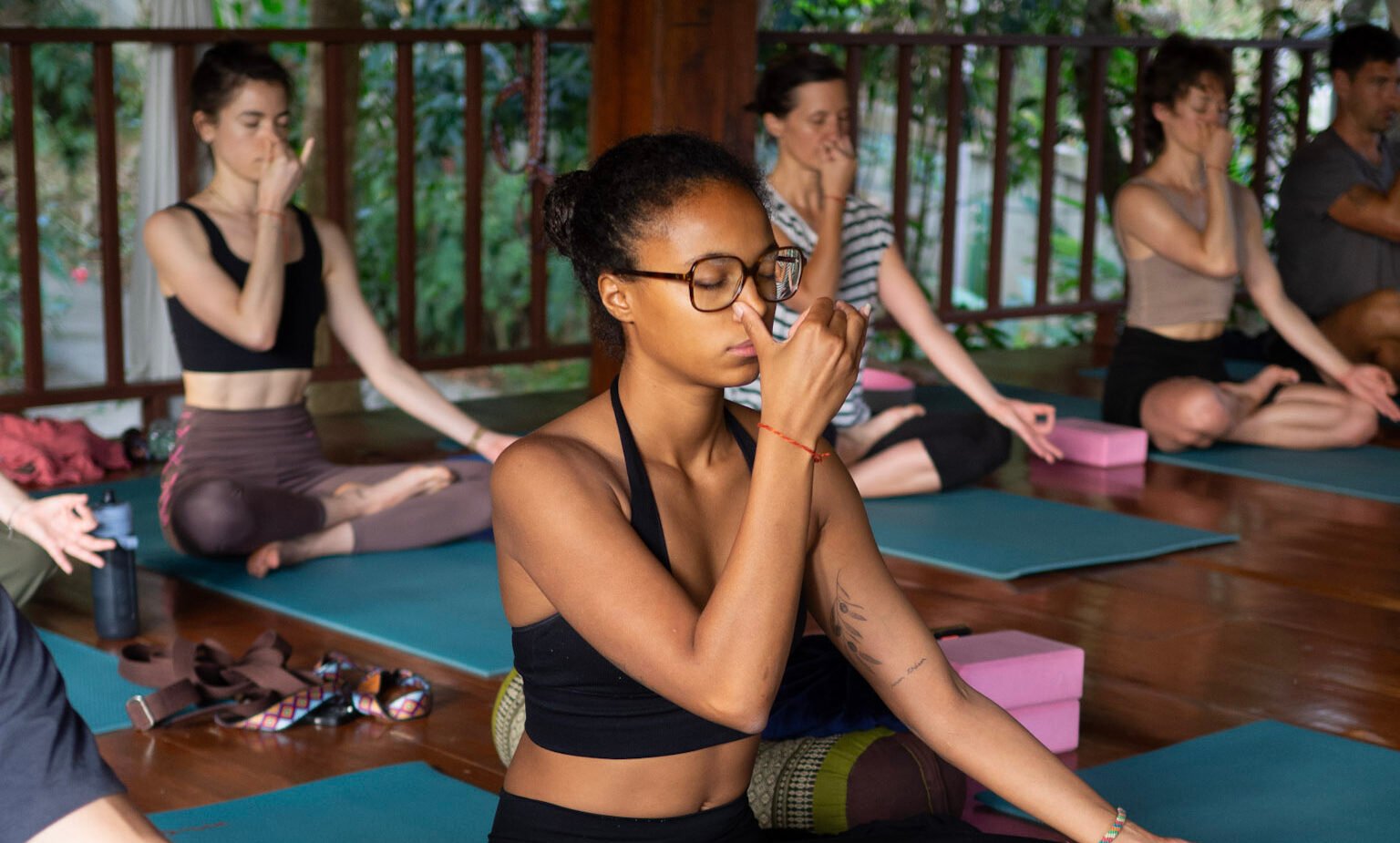
A difficult night can leave you tired, frustrated and unsure what to try next. Gentle yoga may offer a calming way to slow down, notice your breathing and ease into a bedtime routine. Some people find that relaxing movement helps them feel more settled before sleep.
Yoga is not a guaranteed treatment for insomnia, and it does not work the same way for everyone. Research suggests that yoga may improve sleep quality for some people, but the evidence does not show that yoga alone treats insomnia. Think of these poses as an optional part of a wind-down routine, not a replacement for professional care.
This guide explains three gentle poses: Child’s Pose, Legs Up the Wall and Corpse Pose, also known as Savasana. You can use supports and adjust each position to suit your body.
What Is Insomnia?
Insomnia can involve difficulty falling asleep, waking during the night, waking earlier than intended or not feeling rested after sleep. It may also affect daytime energy, mood, concentration or everyday activities.
Sleep difficulties can have different causes, including stress, pain, medication, health conditions, work schedules and other sleep disorders. A yoga routine may help you relax, but it cannot identify or address every cause.
How Yoga May Support a Wind-Down Routine
A slow, comfortable yoga practice can give you time to step away from the day and focus on gentle movement and breathing. Some people find this relaxing. Others may feel more alert or uncomfortable, so pay attention to your response and choose what feels right for you.
Yoga should not become another task you feel you must complete perfectly to fall asleep. Keep the movements easy, breathe naturally and stop if the practice makes you feel tense or frustrated.
If stress is affecting your ability to wind down, you can also read about yoga and mental health. For more general ideas, see our article on the connection between yoga and better sleep.
Before You Begin
Choose a quiet place where you feel safe and comfortable. You may use a yoga mat, folded blanket, cushion or bolster. Wear clothing that lets you move without restriction.
Try the poses at a time that feels relaxing. If movement close to bedtime makes you feel more awake, practise earlier in the evening instead. Let your breathing remain natural. There is no need to take unusually deep breaths or hold your breath.
Leave the bed for sleep if lying awake is making you more frustrated. You can practise in another quiet place and return to bed when you feel ready.
1. Child’s Pose
Child’s Pose is a gentle forward-folding position. You can make it more comfortable by adding support under your chest or forehead.
How to practise
- Kneel on a mat. Bring your big toes close together and let your knees open to a comfortable width.
- Slowly move your hips back toward your heels. If this feels uncomfortable, place a cushion or folded blanket between your hips and heels.
- Rest your chest over your thighs, or place a bolster or stacked pillows in front of you and lean onto them.
- Turn your head to one side or rest your forehead on a cushion. Keep your neck comfortable.
- Let your arms rest beside your body or reach them forward without forcing your shoulders.
- Breathe normally and stay only as long as the position feels easy.
If kneeling bothers your knees or ankles, skip this pose. You can instead sit comfortably and lean forward onto cushions placed on a table or your lap.

2. Legs Up the Wall
Legs Up the Wall is a supported resting position. The legs do not need to be perfectly straight, and your hips do not need to touch the wall.
How to practise
- Sit sideways next to a wall, with one hip near it.
- Slowly lower yourself onto your back as you bring your legs up the wall.
- Move your hips farther away from the wall if the stretch feels strong or your hamstrings feel tight.
- Let your arms rest beside you, with your palms facing up or down.
- Place a folded blanket under your head if that feels more comfortable.
- Stay for a short, comfortable period, then bend your knees and roll onto your side before sitting up.
You can try a more supported alternative by lying on your back with your calves resting on a chair or sofa. This can be easier if your hamstrings feel tight or the wall position does not suit you.
Avoid forcing your legs into position. If you have a health condition or are unsure whether this pose is appropriate for you, ask a healthcare professional or qualified yoga teacher first.
3. Corpse Pose, or Savasana
Savasana is a resting position often practised at the end of a yoga session. It can also be used as a few quiet minutes of rest before bed.
How to practise
- Lie on your back with your legs comfortably apart.
- Let your arms rest beside your body, leaving a little space between your arms and torso.
- Place a cushion under your knees if your lower back feels strained.
- Use a folded blanket under your head if it helps your neck feel comfortable.
- Allow your breathing to return to its natural rhythm.
- Notice the support beneath you. If focusing on your breath feels uncomfortable, let your attention rest on the feeling of the floor or blanket instead.
If lying on your back feels uncomfortable, rest on your side with a pillow between your knees. You can also practise Savasana with your lower legs supported on a chair.
A Simple Bedtime Yoga Routine
You can try the three poses in this order:
- Child’s Pose: Stay for a few comfortable breaths, using a cushion for support.
- Legs Up the Wall: Keep the position easy. Move away from the wall or support your calves on a chair if needed.
- Savasana: Rest in a position that feels comfortable and allow your breathing to return to normal.
There is no required number of minutes or guaranteed result. The purpose is to create a calm transition, not to make yourself fall asleep on command. If the sequence feels uncomfortable, stop and choose a different way to wind down.
Tips for Practising Comfortably
- Move slowly when getting into and out of each pose.
- Use cushions, folded blankets or a bolster so your body can rest without strain.
- Keep the room and practice area comfortable and free from obstacles.
- Choose gentle movement rather than an intense or fast-paced flow close to bedtime.
- Stop if you feel pain, dizziness, numbness, unusual shortness of breath or distress.
- Do not worry if your mind wanders. You can return your attention to the support beneath your body or to your natural breathing.
Other Habits That May Support Better Sleep
Yoga is only one possible part of a bedtime routine. Other habits that some people find helpful include keeping a regular wake-up time, allowing time to wind down and making the bedroom comfortable, quiet and dark.
Try not to turn these habits into a strict checklist. If sleep problems continue, changing your routine alone may not be enough. A healthcare professional can help explore possible causes and suitable treatment options.
When to Seek Professional Help
Consider speaking with a healthcare professional if sleep problems have lasted for months, are affecting your daily life or have not improved with changes to your routine. Get advice sooner if you think pain, medication, mood changes, breathing problems during sleep or another health concern may be involved.
Cognitive behavioural therapy for insomnia, often called CBT-I, is a structured treatment for chronic insomnia. A clinician can help determine whether it may be appropriate for you. Yoga can be a personal relaxation practice alongside care, but it should not replace a recommended treatment.
Frequently Asked Questions
Can yoga cure insomnia?
There is not enough evidence to say that yoga cures insomnia. Some people may find that gentle yoga helps them relax or supports sleep quality, but the response varies. Ongoing insomnia may need professional assessment and treatment.
Which yoga poses may help me relax before bed?
This guide covers Child’s Pose, Legs Up the Wall and Savasana. There is no single pose that works for everyone. Choose a supported position that feels comfortable, or skip a pose that does not suit your body.
When should I practise yoga for sleep?
Practise at a time that helps you feel calm. Some people prefer a short, gentle routine in the evening. If movement close to bedtime makes you feel alert, try it earlier.
How long should I hold each pose?
There is no fixed time that guarantees better sleep. Stay only while you feel comfortable, breathe naturally and leave the pose if you feel strain or discomfort.
What if yoga makes me feel more awake?
Stop the routine and try a quieter activity that feels settling. Yoga is optional, and you do not need to continue a practice that makes you feel more alert or uncomfortable.
Conclusion
Gentle yoga can be one way to create a calmer transition toward bedtime. Child’s Pose, Legs Up the Wall and Savasana can all be adapted with cushions or other supports, but no pose can guarantee that you will fall asleep.
Keep the practice comfortable and flexible. If sleep problems persist or affect your daily life, speak with a healthcare professional about appropriate support.