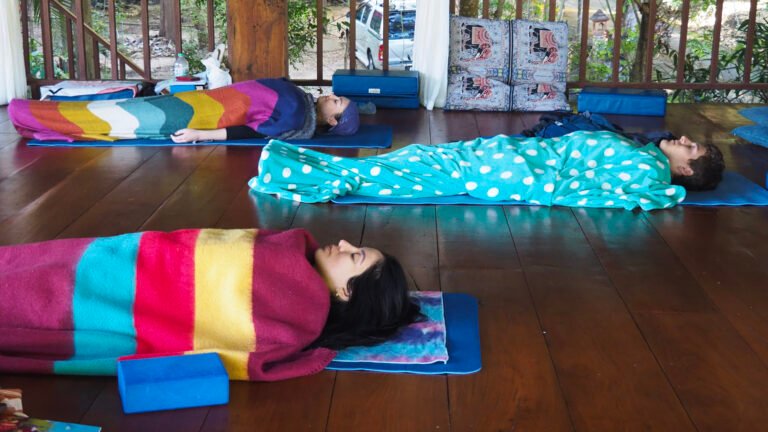
Many people look for ways to unwind at the end of the day and sleep more comfortably. Gentle yoga may help some people create that transition by combining easy movement, breathing awareness and relaxation.
Yoga is not a guaranteed cure for sleep problems, and its effects can differ from person to person. Research suggests that regular yoga practice may improve some aspects of sleep for certain groups, but the evidence is still developing. In this guide, we’ll look at what research says, how yoga may support a relaxing bedtime routine, and how to try a gentle sequence at home.
What Does a Better Night’s Sleep Mean?
Good sleep is not only about the number of hours spent in bed. It also includes being able to fall asleep, stay asleep, and feel reasonably rested when you wake. Sleep needs vary between individuals, and one difficult night does not automatically mean that you have a sleep disorder.
Yoga may support the process of winding down, but it cannot ensure that you will fall asleep or stay asleep. Sleep is influenced by many factors, including stress, health, daily routines, medicines, and the sleep environment.
What Is Yoga?
Yoga is a practice that can include physical postures, breathing exercises, meditation and relaxation. The styles vary. Some practices involve flowing or physically demanding movements, while others are slower and more restorative.
For a bedtime routine, gentle movement and relaxation are generally more suitable than a vigorous class immediately before getting into bed. You can choose a simple practice that feels comfortable and does not leave you feeling more alert or physically energised.
What Does Research Say About Yoga and Sleep?
Research has examined yoga, sleep quality and relaxation practices in different groups of people. Some studies report improvements in self-reported sleep quality, while others find smaller or uncertain effects. The studies also vary in the type of yoga, how often people practise and how sleep is measured.
A 2026 systematic review of Yoga Nidra and sleep disturbances found possible benefits, but the review included only five unique studies across its analyses. The authors described the evidence as very uncertain and preliminary. This means Yoga Nidra may be worth exploring as a relaxation practice, but it should not be presented as a proven treatment for insomnia.
The practical takeaway is measured: yoga may help some people relax and support better sleep habits, but it does not work the same way for everyone. More high-quality research is needed to establish which practices help, for whom, and under what conditions.
How Yoga May Support a Bedtime Wind-Down
Yoga does not make the body sleep on command. Instead, a gentle practice can create a calmer transition from daytime activity to rest.
1. It Gives You Time to Slow Down
A short sequence of slow movements can offer a pause between the demands of the day and bedtime. Moving at a comfortable pace may help you notice areas of tension and settle your attention.
2. It Encourages Awareness of Breathing
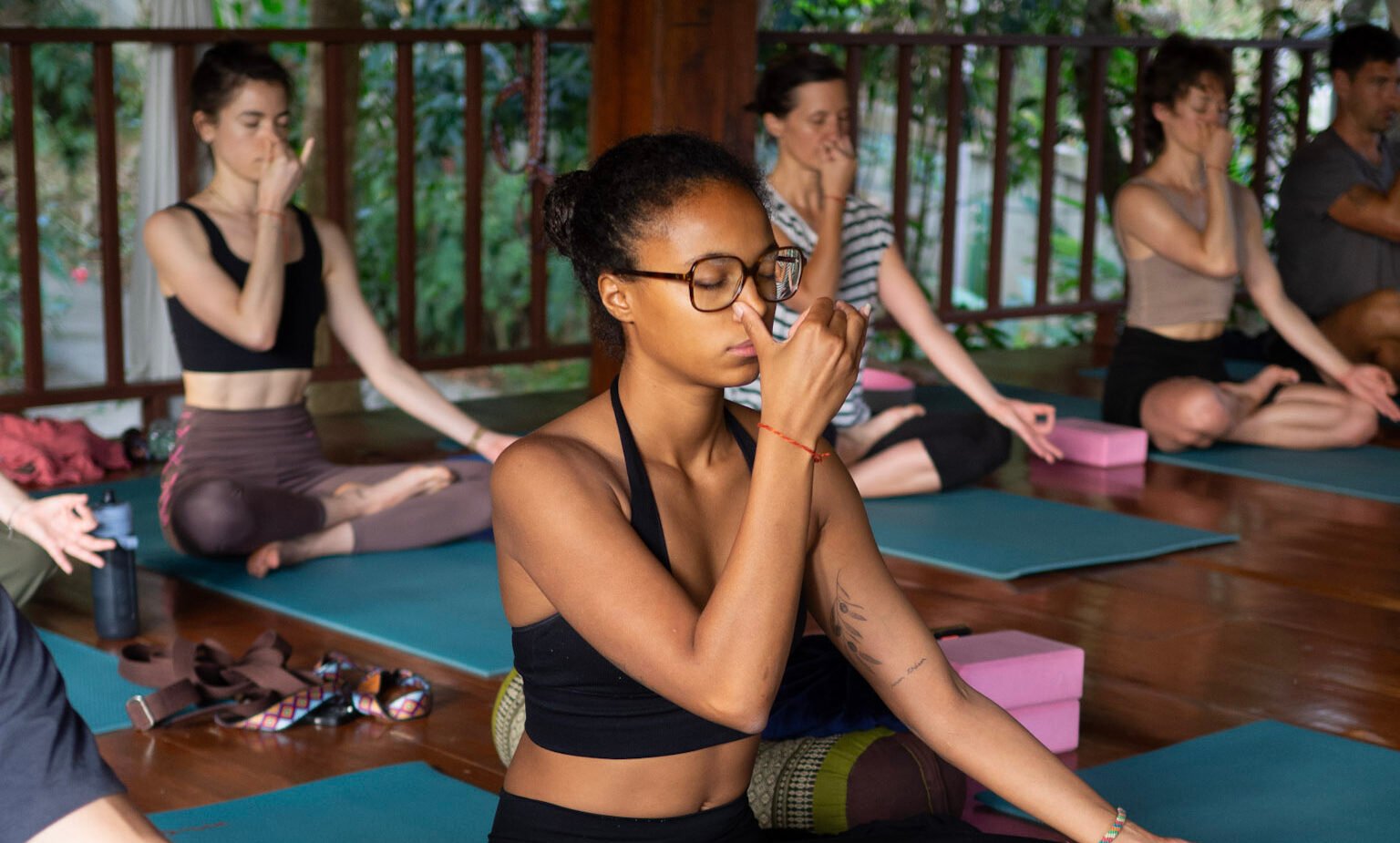
Breathing slowly and comfortably can be a focus for attention during a wind-down practice. You do not need to breathe as deeply as possible or use forceful techniques. Simply noticing each breath may be enough.
For a beginner-friendly introduction to breathing practices, see our guide to Pranayama and breathwork.
3. It Can Support Relaxation
Gentle yoga combines movement with attention to the present moment. Some people find this helpful when they feel tense or mentally busy. The experience is personal, and it should not be described as a guaranteed way to lower a particular hormone or treat anxiety.
4. It Adds Comfortable Movement to Your Routine
Easy stretching and movement may feel useful if you have spent much of the day sitting or feel physically stiff. Choose movements that feel comfortable. Stretching should not cause pain, and a bedtime routine does not need to be intense to be worthwhile.
5. It Can Become a Consistent Evening Cue
Repeating the same simple wind-down routine may help mark the end of the day. Yoga can be one part of that routine alongside a regular sleep schedule and a quiet, comfortable sleep environment.
Which Types of Yoga Are Suitable Before Bed?
Gentle and restorative practices are often a better fit close to bedtime than high-energy exercise. You might try:
- Gentle Hatha yoga: Slow postures with time to notice your alignment and breathing.
- Restorative yoga: Supported positions using cushions, blankets or bolsters so the body can rest comfortably.
- Yoga Nidra: A guided relaxation practice, usually done lying down, that directs attention through the body and breath.
- Gentle stretching with breath awareness: Simple movements that help you settle without turning the routine into a workout.
A vigorous Vinyasa flow, hot yoga class or demanding strength session may feel energising. If that happens to you, practise those styles earlier in the day rather than immediately before bed.
A Gentle 10-Minute Yoga Routine for Sleep
Use this sequence as a wind-down practice, not as a test. Move slowly and skip any position that feels uncomfortable. If a pose causes pain, come out of it.
1. Comfortable Seated Breathing, 1 Minute
Sit on a cushion or lie down with your back supported. Let your shoulders soften. Notice the natural rhythm of your breathing without trying to change it.
2. Seated Side Stretch, 1 Minute
Sit comfortably and place one hand on the floor beside you. Reach the other arm gently overhead and lean slightly to the side. Take a few easy breaths, return to the centre and repeat on the other side. Keep the movement small and comfortable.
3. Cat-Cow, 1 Minute
Come onto your hands and knees. As you breathe in, gently lift your chest and tailbone. As you breathe out, round your back comfortably. Move slowly and keep your neck relaxed.
If being on your hands and knees feels uncomfortable, skip this movement and remain seated.
4. Child’s Pose, 2 Minutes
Bring your hips towards your heels and fold your torso forward. Rest your forehead on a cushion or folded blanket if it does not reach the floor comfortably. Keep your arms wherever they feel relaxed. If kneeling is uncomfortable, choose another resting position.
5. Reclined Knees-to-Chest, 1 Minute
Lie on your back and draw your knees towards your chest only as far as feels comfortable. Hold behind your thighs if that is easier. Keep your head and shoulders relaxed on the mat. You can also keep both feet on the floor with your knees bent.
6. Supine Rest, 2 Minutes
Lie on your back with your knees bent and feet on the mat, or place a cushion under your knees. Let your arms rest by your sides. Notice the points where your body meets the floor and allow your breathing to return to its natural rhythm.
7. Quiet Rest or Yoga Nidra, 2 Minutes
Remain lying down and notice sensations in your body, one area at a time. You can use a short guided Yoga Nidra practice if you are familiar with it. Yoga Nidra is a relaxation practice. It is not a replacement for sleep or medical care.
If you prefer a seated meditation, our guide to meditating every day without getting bored may help you begin with a short, manageable practice.
Simple Breathing for a Bedtime Routine
During a bedtime practice, keep your breathing gentle and easy. You might try these steps:
- Find a comfortable seated or lying position.
- Breathe in through your nose if that feels natural.
- Let the breath out slowly without forcing it.
- Continue for a few minutes while keeping your jaw, shoulders and belly relaxed.
- Return to normal breathing if you feel dizzy, tense or uncomfortable.
Avoid forceful breathing or long breath holds as part of a bedtime routine unless a qualified teacher has taught you the practice and confirmed it is appropriate for you.
Tips for Making an Evening Yoga Practice Comfortable
- Choose slow movements that help you feel settled rather than energised.
- Keep the routine short enough to repeat comfortably.
- Use a cushion, folded blanket or bolster to support your body.
- Avoid forcing stretches or trying to achieve a deep pose at night.
- Notice whether a particular style or practice makes you feel more alert. Adjust its timing if needed.
- Keep a reasonably consistent bedtime and wake time where possible.
- Make your sleep space quiet, cool and dark if you can.
- Treat yoga as one part of a broader sleep routine, not a guaranteed solution.
Yoga Nidra and Sleep
Yoga Nidra is a guided relaxation practice often done while lying down. A teacher or recording may guide you to notice the body, breath and sensations. Some people find it calming, while others may prefer a different relaxation practice.
Yoga Nidra is sometimes called “yogic sleep,” but the name does not mean it replaces sleep. You may remain awake during the practice, become drowsy or fall asleep. Its purpose is guided relaxation, not to reduce the amount of sleep your body needs.
Research on Yoga Nidra for sleep is promising but still limited. It is best described as a practice that may support relaxation for some people, not as a proven treatment for insomnia.
When to Seek Help for Sleep Problems
Yoga can be a supportive part of a personal wind-down routine, but persistent sleep problems may need professional attention. Speak with a healthcare professional if difficulty sleeping continues, affects your daily life, or comes with significant daytime tiredness or other concerning symptoms.
For chronic insomnia, cognitive behavioural therapy for insomnia, often called CBT-I, is a recommended treatment approach. Yoga may be used alongside appropriate care, but it should not replace an assessment or treatment recommended by a healthcare professional.
Frequently Asked Questions
Can yoga help you sleep better?
Gentle yoga may help some people relax and support better sleep quality. Research findings vary, so it should not be treated as a guaranteed solution.
Is it good to do yoga right before bed?
A short, gentle practice may work well for some people. Avoid vigorous or energising styles immediately before bed if they make you feel more alert.
How long should a bedtime yoga routine be?
There is no single required duration. You can begin with a few minutes and continue only as long as the practice feels comfortable and calming.
Is Yoga Nidra the same as sleeping?
No. Yoga Nidra is a guided relaxation practice. You may fall asleep during it, but it is not a replacement for a full night’s sleep.
Can yoga cure insomnia?
Yoga should not be described as a cure for insomnia. If sleep problems are persistent or affect your daily life, speak with a healthcare professional about appropriate assessment and treatment.
Conclusion: Use Yoga as a Gentle Way to Wind Down
Yoga may support a calmer transition to bedtime through gentle movement, breathing awareness and relaxation. A short routine can be a useful part of your evening if it feels comfortable and helps you slow down.
The evidence for yoga and Yoga Nidra continues to develop, and results are not guaranteed. Choose a gentle practice, keep your breathing natural and seek professional advice if sleep problems persist. A realistic routine that you can follow comfortably is more useful than an intense practice that leaves you feeling alert.