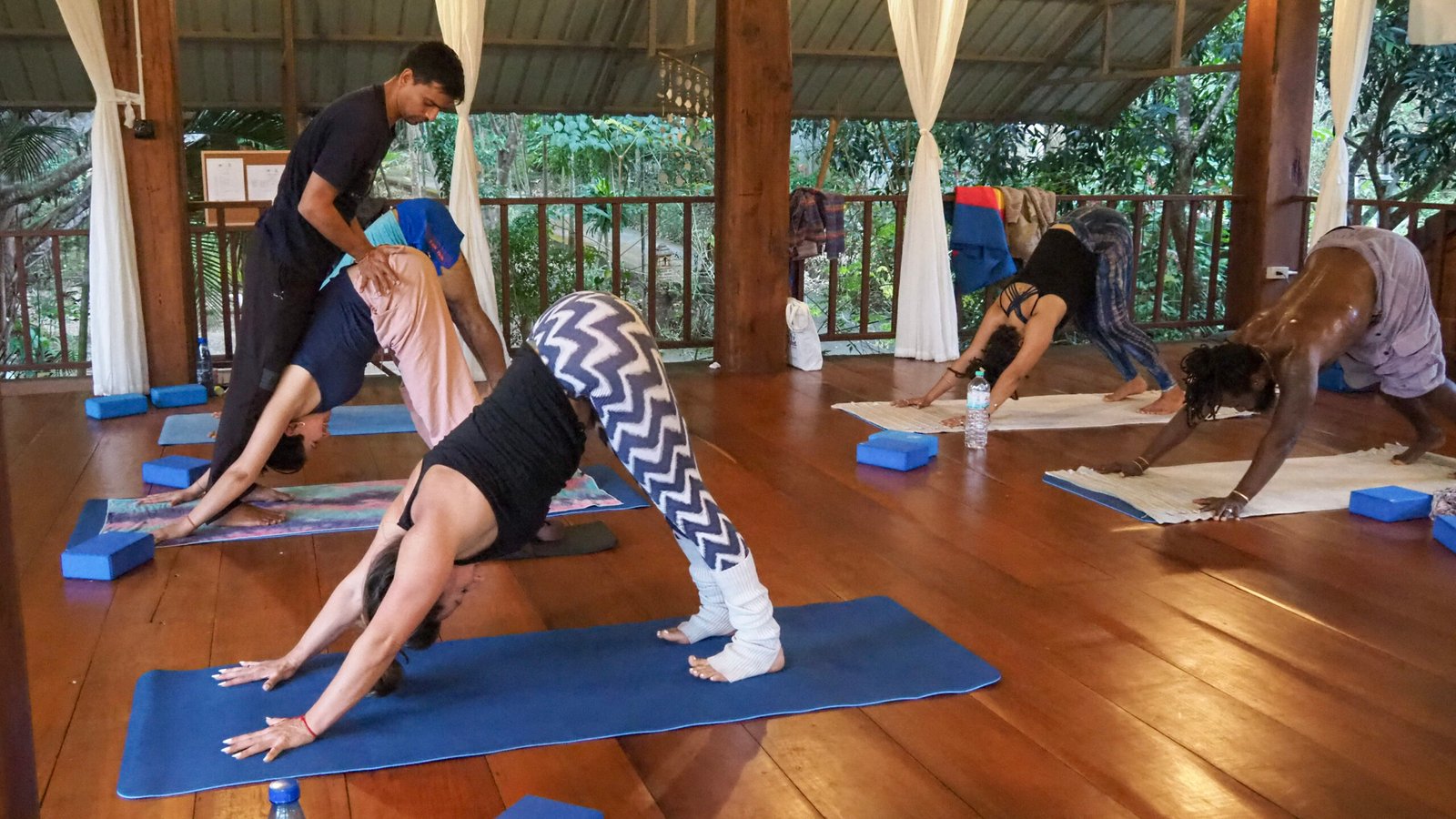
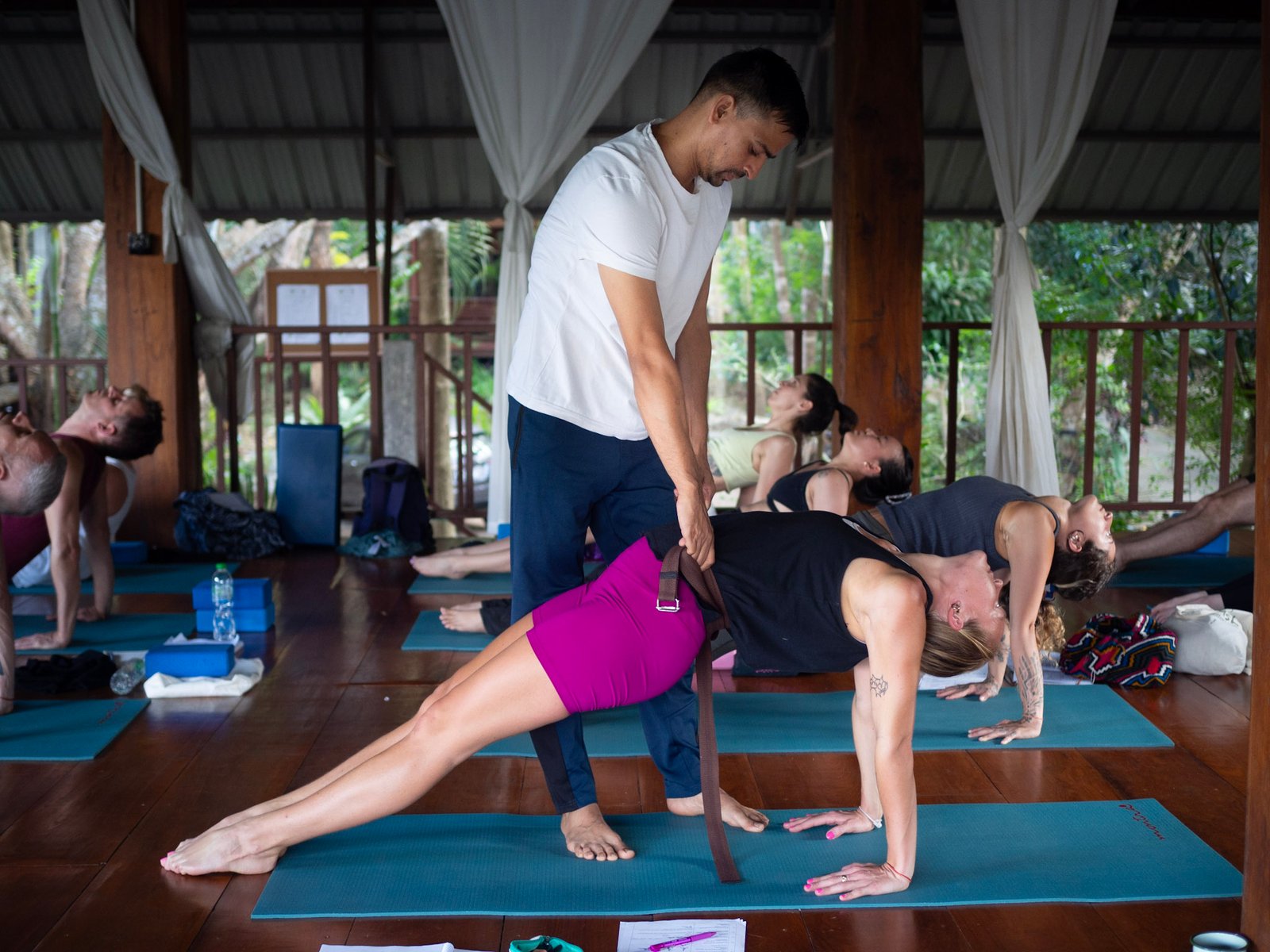
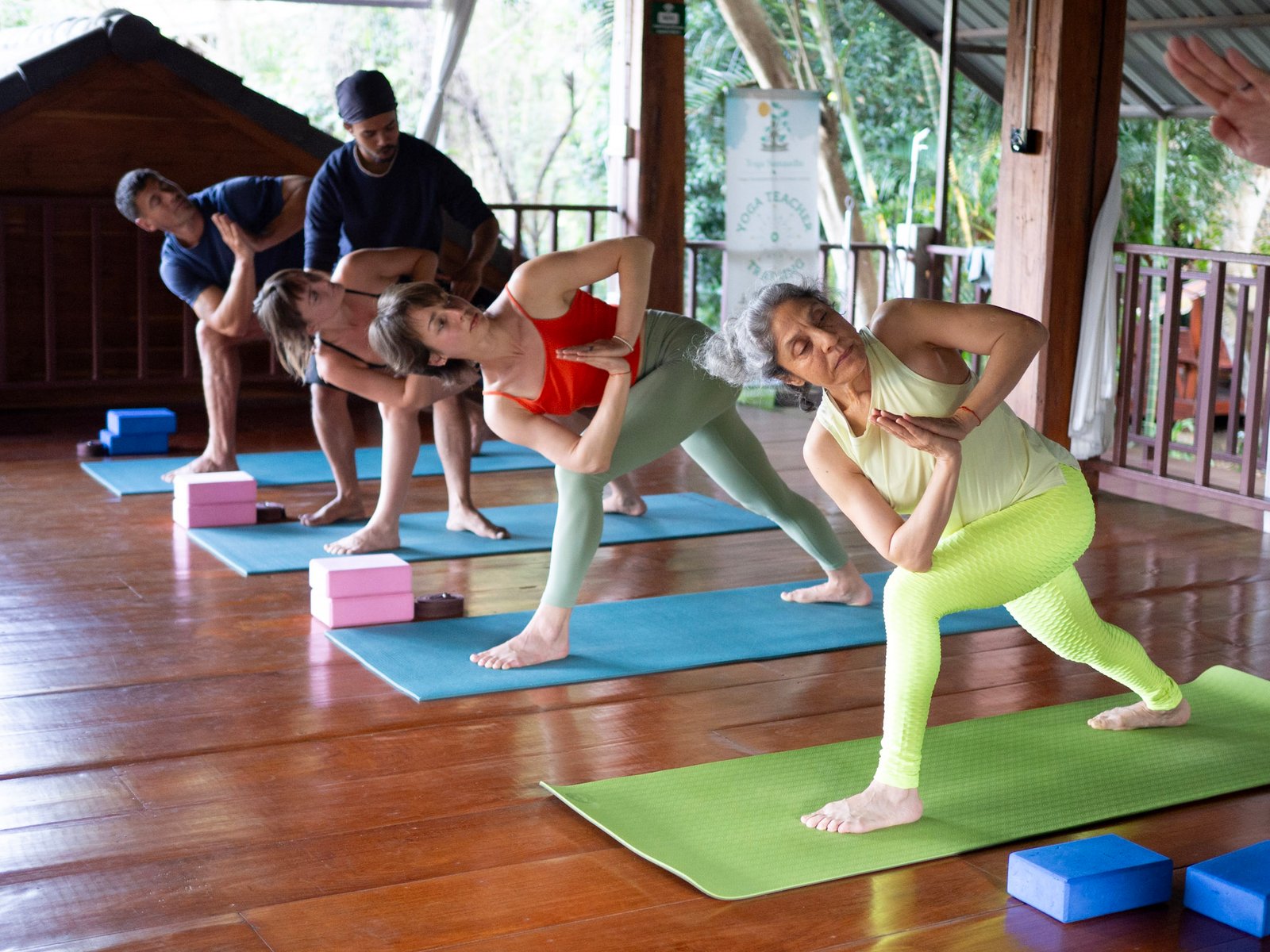
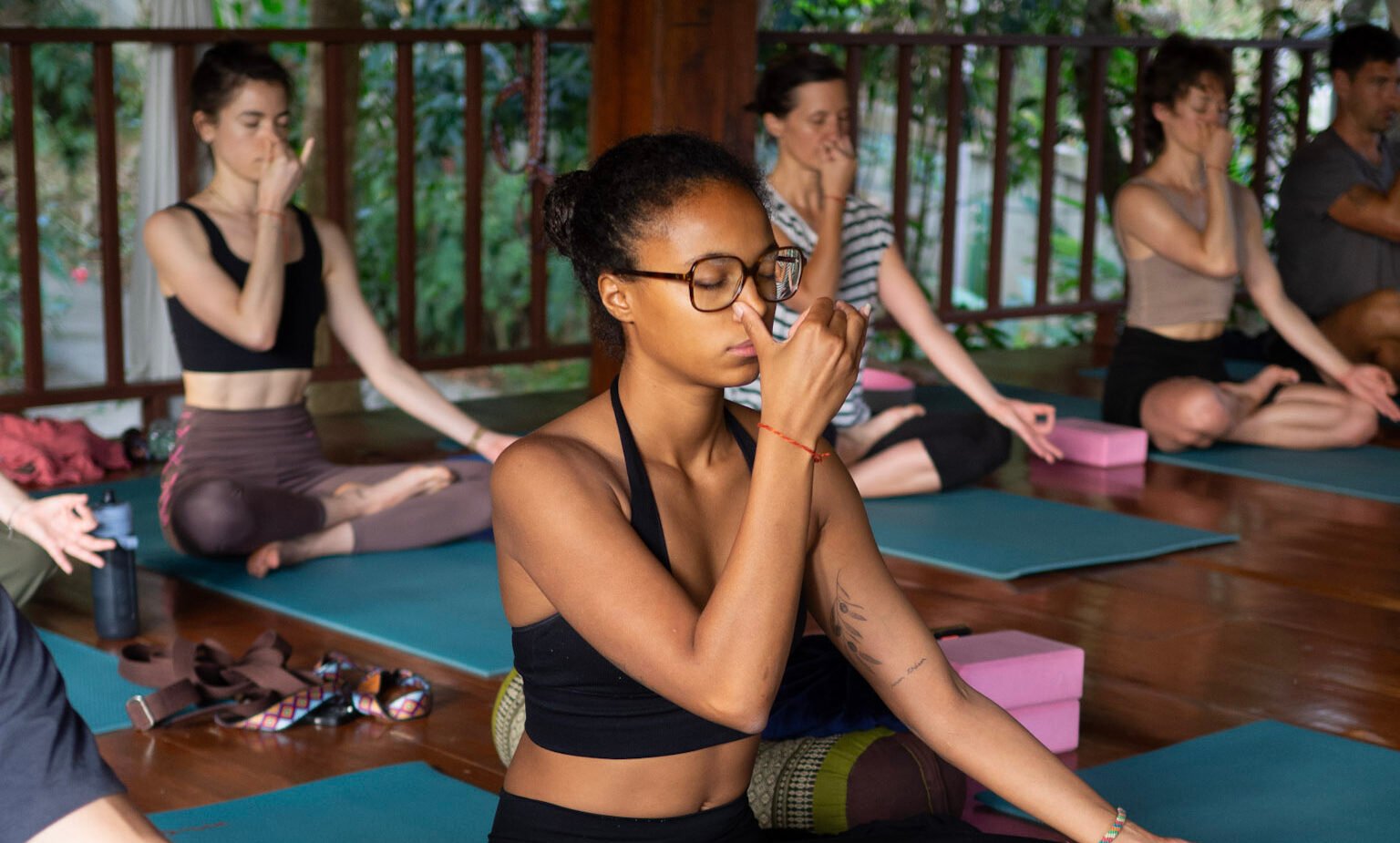
You have completed your yoga teacher training. Now comes the next big question: How do you find your first opportunity to teach yoga?
Getting started can feel uncertain, especially when you are new to the industry. You may feel that you need more teaching experience, a stronger professional profile, or a better understanding of what yoga studios and employers expect.
The good news is that starting your teaching career does not have to be overwhelming. With the right preparation, practical experience, networking and a clear professional approach, you can build your confidence, connect with potential employers and take meaningful steps towards securing your first yoga teaching opportunity.
7 Practical Steps to Find Your First Yoga Teaching Job
1. Keep Practising and Ask for Feedback
Consistent practice can help you strengthen your understanding of yoga and become more comfortable guiding others. Continue developing your personal practice while reviewing what you learned during your teacher training.
Ask your former teachers or experienced yoga instructors for constructive feedback. You could practise explaining a pose, leading a short sequence or giving clear instructions to a small group. Use their feedback to identify what is working and what you can improve.
Finding a role may take time, so use the period between applications to keep learning and practising.
2. Ask Experienced Teachers About the Profession
Teacher training gives you a foundation, but questions often come up once you begin looking for work. You may want to ask how studios recruit teachers, what a demo class involves or how instructors build a regular group of students.
Speak with a senior teacher or mentor who knows the industry. Their experience may help you understand the practical side of teaching, including professional communication, class preparation and building a sustainable yoga career.
If you are interested in starting a yoga-related business in the future, ask what skills and planning that may involve. Treat advice as a starting point and check any local requirements that apply to your situation.
3. Consider Different Types of Teaching Roles
Freelance teaching can be appealing, but building a regular student base often takes time. As you get started, consider a range of opportunities, such as teaching at a yoga studio, school, gym, recreation centre or retreat.
Each workplace may have different expectations, schedules and payment arrangements. Ask about these details before accepting a role so you understand what the work involves.
Stay open to suitable opportunities while keeping your long-term teaching goals in mind.
4. Introduce Yourself to Nearby Studios
Visit studios where you practise or would genuinely like to teach. Introduce yourself to the studio owner or manager, explain your training and ask how they consider new instructors for cover classes, auditions or future openings.
Prepare a concise CV that includes your teacher training, teaching experience, class styles and availability. If you have led community sessions or assisted another teacher, include that experience accurately.
A studio may already be familiar with you as a student, which can give you a natural way to start a professional conversation. It does not guarantee a role, so make your interest clear and follow the studio’s application process.
5. Build Experience by Assisting Other Teachers
Assisting an experienced teacher can help you observe how classes are planned and delivered. You may learn how instructors communicate with students, manage transitions and adapt a class to different needs.
Ask the teacher or studio what the assisting role includes and whether it is paid. If you agree to volunteer, clarify the time commitment and expectations in advance. Make sure the arrangement is suitable for you and does not replace a paid role without your informed agreement.
6. Prepare a Clear Demo Class
A demo class gives a studio or potential students a chance to see how you teach. Prepare a short class with a clear beginning, a logical sequence and an appropriate closing.
You could prepare more than one version, such as a gentle beginner class and a more active class, depending on the opportunity. Practise your instructions, timing and transitions. If you plan to use music, choose it only when it suits the class and the studio’s approach.
Focus on clear cueing, thoughtful options and a welcoming atmosphere. A demo should show how you teach, not how many advanced poses you can perform.
7. Promote Your Classes Consistently
Let people know what you teach and where they can find you. You can contact studios by email, share class updates on social media or publish useful information about your teaching approach.
Use clear details in every post: the class style, level, location, schedule and how to book. Consistent communication can help people discover your classes, but building an audience takes time. Focus on providing useful, accurate information rather than promising instant popularity.
Qualities Studios Look for in a New Yoga Teacher
Clear Communication and Connection
A yoga teacher needs to explain instructions clearly and help students feel welcome. Practise speaking at a steady pace, choosing simple cues and checking that students can follow the sequence.
If you teach children or family classes, communication with parents or guardians may also be part of the role.
Confidence and Attentive Class Leadership
Confidence can grow through preparation and practice. Learn to guide a class with a calm, clear voice and to keep students’ attention without rushing them.
Being attentive also means noticing when students may need a simpler option, a pause or a different explanation.
Organisation and Class Planning
Prepare a class plan before you teach. Decide how the session will begin, how the sequence will progress and how you will close the class.
A thoughtful routine can help you manage time and give students a more consistent experience. Adapt the plan when the class, venue or students’ needs call for a change.
Adaptability and a Personal Teaching Style
Flexibility matters both physically and mentally. A teacher should be ready to adjust a sequence, offer suitable options and respond to the needs of different students.
Over time, you can develop a personal teaching style. Keep learning from mentors and students while making sure your approach remains clear, respectful and appropriate for the class.
Yoga Teacher Job Application Checklist
Before contacting a studio or applying for a role, check that you have:
- A concise, up-to-date yoga teacher CV
- Accurate details about your training and experience
- A short introduction describing your teaching style
- Your availability and preferred class types
- A demo-class plan you have practised
- Contact details for references, if requested
- Questions ready about schedule, payment and role expectations
Frequently Asked Questions
Can I teach yoga before I have studio experience?
You may be able to build initial experience through assisting, supervised practice, community classes or suitable cover opportunities. Requirements vary by employer and location, so confirm what applies to the specific role.
What should I include in a yoga teacher CV?
Include your teacher training, relevant experience, class styles, availability and contact details. Keep the information accurate and easy to scan. You can also mention relevant experience in communication, group facilitation or community work.
What happens in a yoga teacher audition?
Auditions vary. A studio may ask you to lead a short sequence or demonstrate how you cue and organise a class. Ask the studio what to expect, then prepare a clear class plan that fits its audience and style.
Explore Yoga Teacher Training in Chiang Mai
If you are still researching teacher training, learn more about Yoga Teacher Training in Chiang Mai, Thailand. Review the programme details and confirm that the training fits your goals before making a decision.