
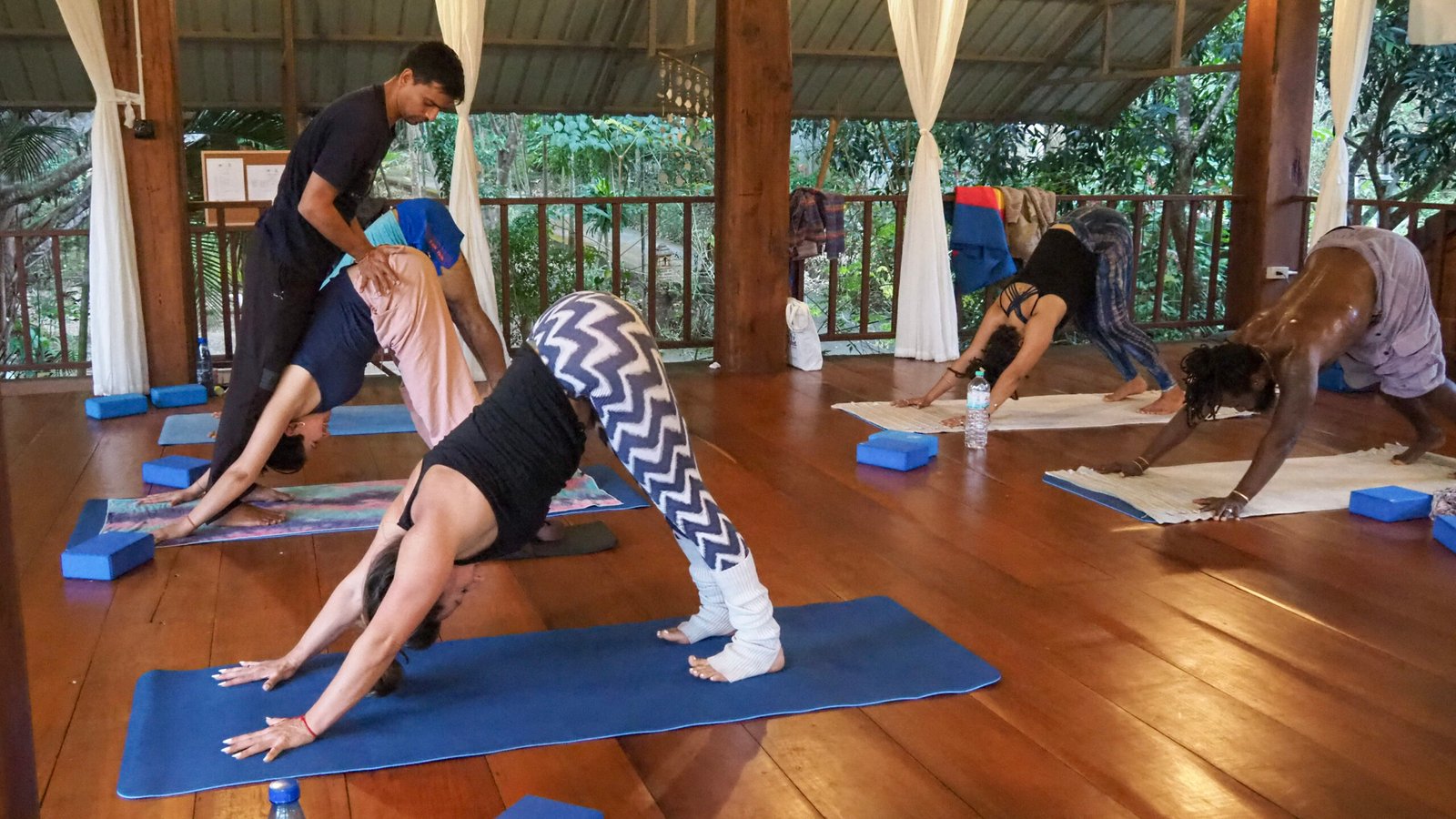
You have completed your yoga teacher training. Now comes the next big question: How do you find your first opportunity to teach yoga?
Getting started can feel uncertain, especially when you are new to the industry. You may feel that you need more teaching experience, a stronger professional profile, or a better understanding of what yoga studios and employers expect.
The good news is that starting your teaching career does not have to be overwhelming. With the right preparation, practical experience, networking and a clear professional approach, you can build your confidence, connect with potential employers and take meaningful steps towards securing your first yoga teaching opportunity.
7 Practical Steps to Find Your First Yoga Teaching Job
1. Keep Practising and Ask for Feedback
Consistent practice can help you strengthen your understanding of yoga and become more comfortable guiding others. Continue developing your personal practice while reviewing what you learned during your teacher training.
Ask your former teachers or experienced yoga instructors for constructive feedback. You could practise explaining a pose, leading a short sequence or giving clear instructions to a small group. Use their feedback to identify what is working and what you can improve.
Finding a role may take time, so use the period between applications to keep learning and practising.
2. Ask Experienced Teachers About the Profession
Teacher training gives you a foundation, but questions often come up once you begin looking for work. You may want to ask how studios recruit teachers, what a demo class involves or how instructors build a regular group of students.
Speak with a senior teacher or mentor who knows the industry. Their experience may help you understand the practical side of teaching, including professional communication, class preparation and building a sustainable yoga career.
If you are interested in starting a yoga-related business in the future, ask what skills and planning that may involve. Treat advice as a starting point and check any local requirements that apply to your situation.
3. Consider Different Types of Teaching Roles
Freelance teaching can be appealing, but building a regular student base often takes time. As you get started, consider a range of opportunities, such as teaching at a yoga studio, school, gym, recreation centre or retreat.
Each workplace may have different expectations, schedules and payment arrangements. Ask about these details before accepting a role so you understand what the work involves.
Stay open to suitable opportunities while keeping your long-term teaching goals in mind.
4. Introduce Yourself to Nearby Studios
Visit studios where you practise or would genuinely like to teach. Introduce yourself to the studio owner or manager, explain your training and ask how they consider new instructors for cover classes, auditions or future openings.
Prepare a concise CV that includes your teacher training, teaching experience, class styles and availability. If you have led community sessions or assisted another teacher, include that experience accurately.
A studio may already be familiar with you as a student, which can give you a natural way to start a professional conversation. It does not guarantee a role, so make your interest clear and follow the studio’s application process.
5. Build Experience by Assisting Other Teachers
Assisting an experienced teacher can help you observe how classes are planned and delivered. You may learn how instructors communicate with students, manage transitions and adapt a class to different needs.
Ask the teacher or studio what the assisting role includes and whether it is paid. If you agree to volunteer, clarify the time commitment and expectations in advance. Make sure the arrangement is suitable for you and does not replace a paid role without your informed agreement.
6. Prepare a Clear Demo Class
A demo class gives a studio or potential students a chance to see how you teach. Prepare a short class with a clear beginning, a logical sequence and an appropriate closing.
You could prepare more than one version, such as a gentle beginner class and a more active class, depending on the opportunity. Practise your instructions, timing and transitions. If you plan to use music, choose it only when it suits the class and the studio’s approach.
Focus on clear cueing, thoughtful options and a welcoming atmosphere. A demo should show how you teach, not how many advanced poses you can perform.
7. Promote Your Classes Consistently
Let people know what you teach and where they can find you. You can contact studios by email, share class updates on social media or publish useful information about your teaching approach.
Use clear details in every post: the class style, level, location, schedule and how to book. Consistent communication can help people discover your classes, but building an audience takes time. Focus on providing useful, accurate information rather than promising instant popularity.
Qualities Studios Look for in a New Yoga Teacher
Clear Communication and Connection
A yoga teacher needs to explain instructions clearly and help students feel welcome. Practise speaking at a steady pace, choosing simple cues and checking that students can follow the sequence.
If you teach children or family classes, communication with parents or guardians may also be part of the role.
Confidence and Attentive Class Leadership
Confidence can grow through preparation and practice. Learn to guide a class with a calm, clear voice and to keep students’ attention without rushing them.
Being attentive also means noticing when students may need a simpler option, a pause or a different explanation.
Organisation and Class Planning
Prepare a class plan before you teach. Decide how the session will begin, how the sequence will progress and how you will close the class.
A thoughtful routine can help you manage time and give students a more consistent experience. Adapt the plan when the class, venue or students’ needs call for a change.
Adaptability and a Personal Teaching Style
Flexibility matters both physically and mentally. A teacher should be ready to adjust a sequence, offer suitable options and respond to the needs of different students.
Over time, you can develop a personal teaching style. Keep learning from mentors and students while making sure your approach remains clear, respectful and appropriate for the class.
Yoga Teacher Job Application Checklist
Before contacting a studio or applying for a role, check that you have:
- A concise, up-to-date yoga teacher CV
- Accurate details about your training and experience
- A short introduction describing your teaching style
- Your availability and preferred class types
- A demo-class plan you have practised
- Contact details for references, if requested
- Questions ready about schedule, payment and role expectations
Frequently Asked Questions
Can I teach yoga before I have studio experience?
You may be able to build initial experience through assisting, supervised practice, community classes or suitable cover opportunities. Requirements vary by employer and location, so confirm what applies to the specific role.
What should I include in a yoga teacher CV?
Include your teacher training, relevant experience, class styles, availability and contact details. Keep the information accurate and easy to scan. You can also mention relevant experience in communication, group facilitation or community work.
What happens in a yoga teacher audition?
Auditions vary. A studio may ask you to lead a short sequence or demonstrate how you cue and organise a class. Ask the studio what to expect, then prepare a clear class plan that fits its audience and style.
Explore Yoga Teacher Training in Chiang Mai
If you are still researching teacher training, learn more about Yoga Teacher Training in Chiang Mai, Thailand. Review the programme details and confirm that the training fits your goals before making a decision.
A regular yoga practice can be a way to make time for movement, breath awareness and rest. Some people use yoga to work on flexibility and balance. Others value the chance to slow down and focus on how their body feels.
Yoga does not need to mean a long or intense session every day. A daily practice can vary from a fuller sequence on one day to a few gentle movements or quiet breathing on another. The right approach depends on your body, experience and schedule.
This guide explains what regular yoga may offer, how Hatha and Vinyasa differ, and how to begin with a simple routine at home.
What Does a Daily Yoga Practice Mean?
A daily yoga practice does not have to look the same each day. It can include asana, the physical postures; pranayama, breathing practices; and meditation or quiet attention. You can practise one element or combine several.
Some days you may have time for a longer class. On busier days, a short sequence or a few minutes of breathing may feel more realistic. Rest is also part of a sustainable routine. You do not need to push through pain or fatigue to maintain a yoga habit.
Possible Benefits of Regular Yoga
People practise yoga for different reasons, and their experiences vary. Research suggests possible benefits in areas such as stress management, mental wellbeing, balance and flexibility. These are potential benefits, not guaranteed outcomes or a substitute for medical care.
Stress management and relaxation
A slower yoga practice can give you a pause from daily tasks and an opportunity to notice your breathing and body. Some people find this calming. If focusing on your breath makes you uncomfortable, you can keep your eyes open, move gently or stop the practice.
For more on yoga and stress, read our article about building a daily yoga routine to manage stress.
Flexibility and mobility
Yoga poses move the body through different positions and ranges of motion. With regular, comfortable practice, some people notice that movements feel easier over time. You do not need to be flexible before starting yoga, and stretching should not involve forcing a joint or pushing through pain.
Strength and balance
Some poses ask you to support your body, hold a position or shift your weight with control. Depending on the class and sequence, yoga can involve strength and balance work as well as mobility.
Focus and body awareness
Moving with attention can help you notice how a pose feels and when you need to adjust. This awareness can make it easier to choose a variation that suits your body on that day.
A routine that supports wellbeing
Making time for a regular activity can be valuable in itself. Yoga may fit alongside other habits that support wellbeing, such as walking, sleep, social connection and professional care when needed.
Hatha and Vinyasa: Choosing a Style
Yoga classes differ in pace, instruction and physical intensity. Even classes with the same style name can feel different depending on the teacher.
Hatha yoga
Many Hatha classes move at a measured pace and include time to learn basic poses. This can suit people who want a slower introduction, though class intensity still varies.
Vinyasa yoga
Vinyasa links movement with breathing and may move at a faster pace. Some classes are gentle, while others are more physically demanding. Ask about the pace and experience level before joining if you are unsure.
You do not need to choose a style based on what seems most advanced. A class that feels manageable and comfortable is a sensible place to start.
A Simple Beginner Yoga Routine
This sequence includes gentle movement and rest. Use a mat or practise on a comfortable, nonslip surface. A folded blanket or sturdy chair can help with support. Move slowly and skip any position that does not feel right for you.
1. Seated breathing
Sit on a cushion or chair with your feet supported. Notice your natural breathing for a few moments. Let your shoulders soften and keep your breath comfortable. There is no need to deepen or hold it.
2. Cat-Cow
- Come onto your hands and knees, with your hands under your shoulders and knees under your hips.
- As you breathe in, gently lift your chest and tailbone.
- As you breathe out, press the floor away and round your upper back.
- Move slowly for a few comfortable rounds.
Keep the movement small if your back or wrists feel sensitive. You can also do a seated version by placing your hands on your thighs and gently rounding and lengthening your spine.
3. Low Lunge
- From hands and knees, step one foot forward between your hands.
- Lower your back knee onto a folded blanket if that is comfortable.
- Keep your front foot planted and your hands on the floor, blocks or a chair.
- Stay upright or lean forward slightly, without forcing a stretch.
- Step back to hands and knees and repeat on the other side.
Use a shorter stance or keep your hands elevated if that feels steadier.
4. Downward-Facing Dog variation
- From hands and knees, tuck your toes and slowly lift your hips up and back.
- Keep your knees bent as needed and focus on making the position comfortable.
- Press your hands into the floor without locking your elbows.
- Take a few natural breaths, then lower your knees to the mat.
If the pose strains your wrists, shoulders or back, skip it or try a supported alternative with your hands on a sturdy chair or wall.
5. Child’s Pose or supported rest
- Kneel and move your hips back only as far as feels comfortable.
- Rest your chest on your thighs or on cushions in front of you.
- Place your forehead on a blanket, cushion or block.
- Let your arms rest beside you or reach them forward gently.
- Breathe naturally, then use your hands to return to sitting.
If kneeling is uncomfortable, sit on a chair and rest your forearms on a cushion placed on your lap.
6. Final rest
Lie on your back with your knees bent or rest on your side. Let your arms and legs settle into a comfortable position. Stay for a few natural breaths, then slowly return to sitting.
You can find more guidance in our beginner-friendly morning yoga routine.
How to Make Yoga Part of Your Routine
- Choose a realistic time. Practise when you are most likely to have a few uninterrupted minutes.
- Start with a small commitment. One or two poses can be enough to begin building familiarity.
- Prepare a simple space. You need room to move safely, not a dedicated studio.
- Use supports when helpful. A chair, cushion, folded blanket or block can make a pose more accessible.
- Vary the effort. A gentle day or rest day can sit alongside more active sessions.
- Connect yoga with an existing habit. You might practise after waking, during a break or after work.
- Notice what feels sustainable. If your routine leaves you exhausted or sore, shorten it or choose gentler movements.
You can practise every day if that suits you, but daily practice does not require daily effort at the same intensity. Adjust the routine to your energy and needs.
Common Mistakes to Avoid
- Trying to copy an advanced pose: Choose a version that lets you breathe and move with control.
- Assuming flexibility is a requirement: Flexibility is not a prerequisite for beginning yoga.
- Stretching into pain: Ease out of a position if you feel sharp, pinching or joint pain.
- Holding your breath: Keep breathing naturally. If that becomes difficult, reduce the effort.
- Doing too much at the start: A short, repeatable practice can be a more realistic beginning than a long routine.
- Comparing your body with someone else’s: Your practice can look different from another person’s and still be useful to you.
Safety and Modifications
Yoga is generally considered a safe form of physical activity for healthy people when practised appropriately, but strains and other injuries can happen. Use a qualified instructor if you are learning unfamiliar poses or need individual guidance.
If you are pregnant, older, have a health condition, or have a current or previous injury, discuss suitable modifications with a healthcare professional and your yoga instructor. Some poses may need to be changed or avoided depending on your needs.
Stop if you feel sharp pain, dizziness, numbness or unusual discomfort. Rest or choose a different movement rather than pushing through.
Frequently Asked Questions
Do I need to practise yoga every day?
No. The title of this article refers to building a regular practice, but your schedule does not have to include a full session every day. Choose a pattern that fits your life and allows time for rest.
How long should a yoga session be?
There is no single duration that suits everyone. Start with a short routine that feels manageable. You can add time if you want to and your body responds comfortably.
Can beginners practise yoga at home?
Yes. Start with basic poses, use a stable space and choose instruction that explains modifications. If you have a health concern or are unsure about a pose, ask a qualified instructor or healthcare professional.
Which yoga style is best for flexibility?
Different styles include different combinations of movement, holds and instruction. There is no single best style for everyone. Choose a class that lets you move gradually and comfortably.
Can yoga reduce stress?
Some people find yoga helpful as one way to manage everyday stress. The effects vary, and yoga is not a guaranteed treatment for ongoing or severe stress. Consider professional support if stress is difficult to manage.
Conclusion
A regular yoga practice can include movement, breath awareness and rest. Some people use it to work on flexibility, balance, strength or relaxation, but experiences differ and results are not guaranteed.
Begin with a simple routine, use modifications and vary the effort from day to day. A practice that fits your body and schedule is easier to return to than one built around pressure or perfection.
Yoga Samaadhi Upcoming Events Sustainability Activity | Outreach Program | Yoga Teacher Training (Chiang Mai, Thailand)

Read Our Blog
Read our articles on different topics of yoga, sustainability and community updates…
More Details
Yoga TTC in Thailand
Learn about yoga teacher training and how it guides you to a harmonious lifestyle…
More Details
Community Outreach Programs
Find out more about hill tribes, their ways of life and how we can take part in their progress…
More Details
Sustainability Activity
Find spirituality in sustainability, living in harmony with nature and adopting mindfulness…
More Details