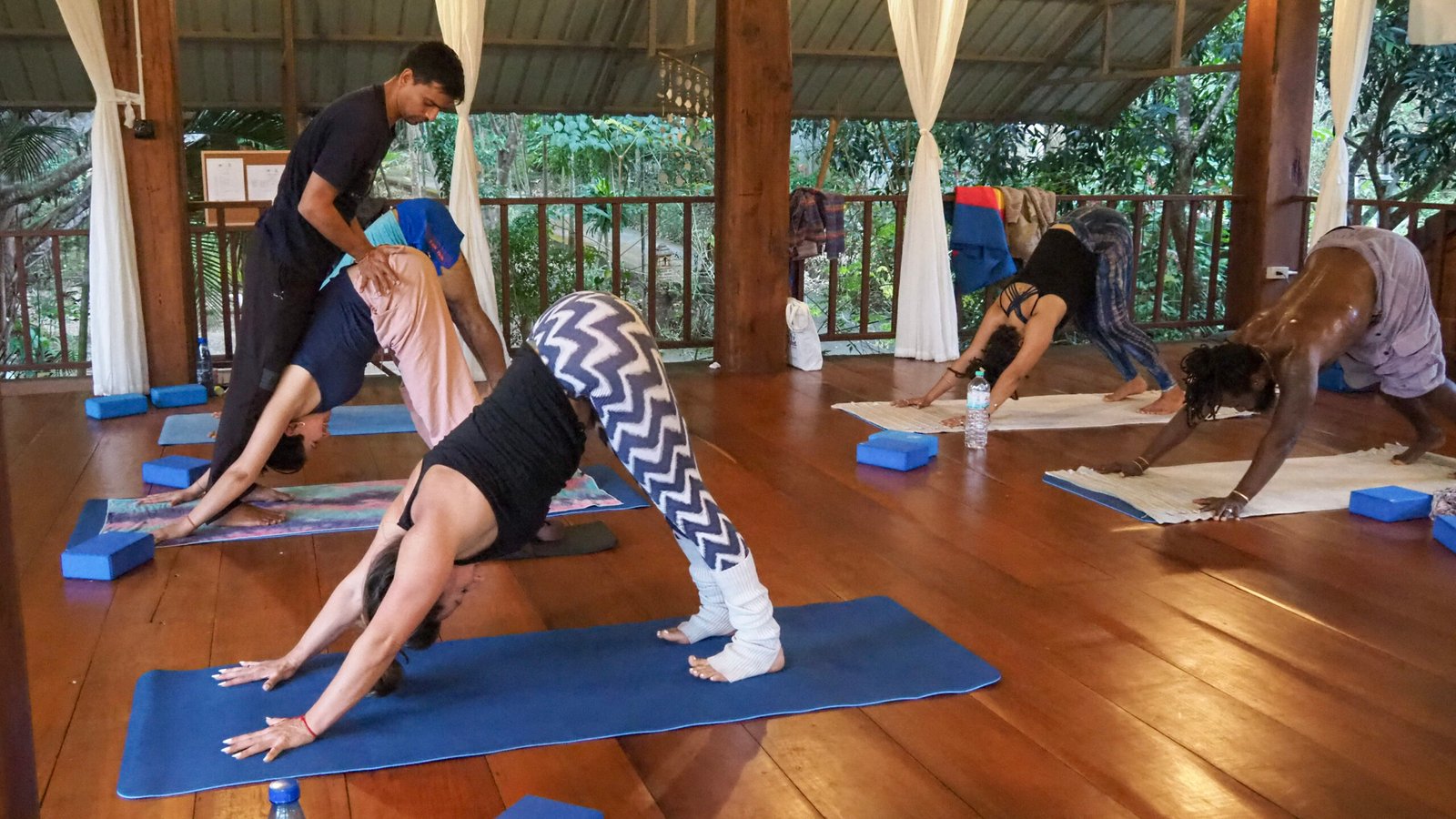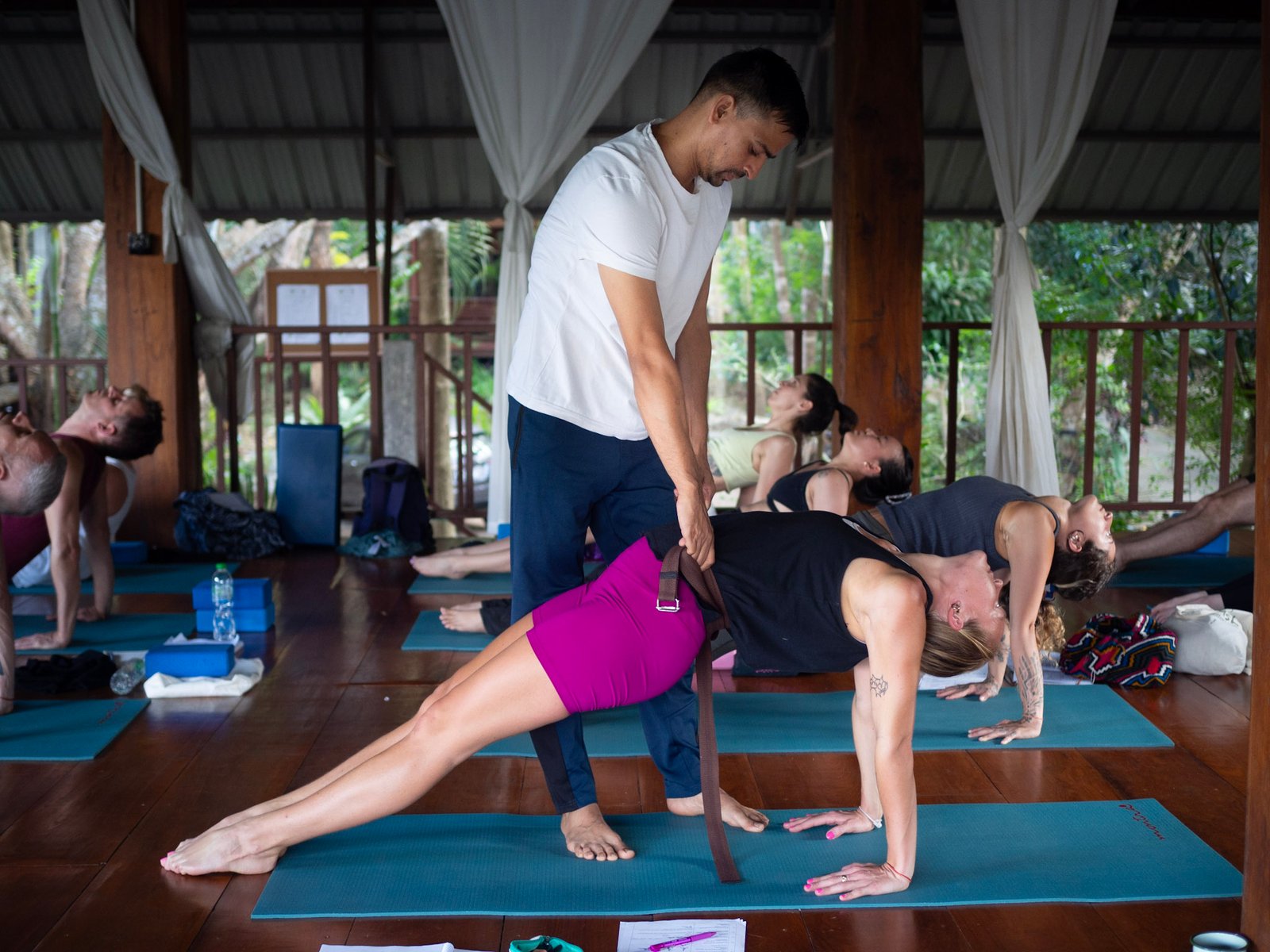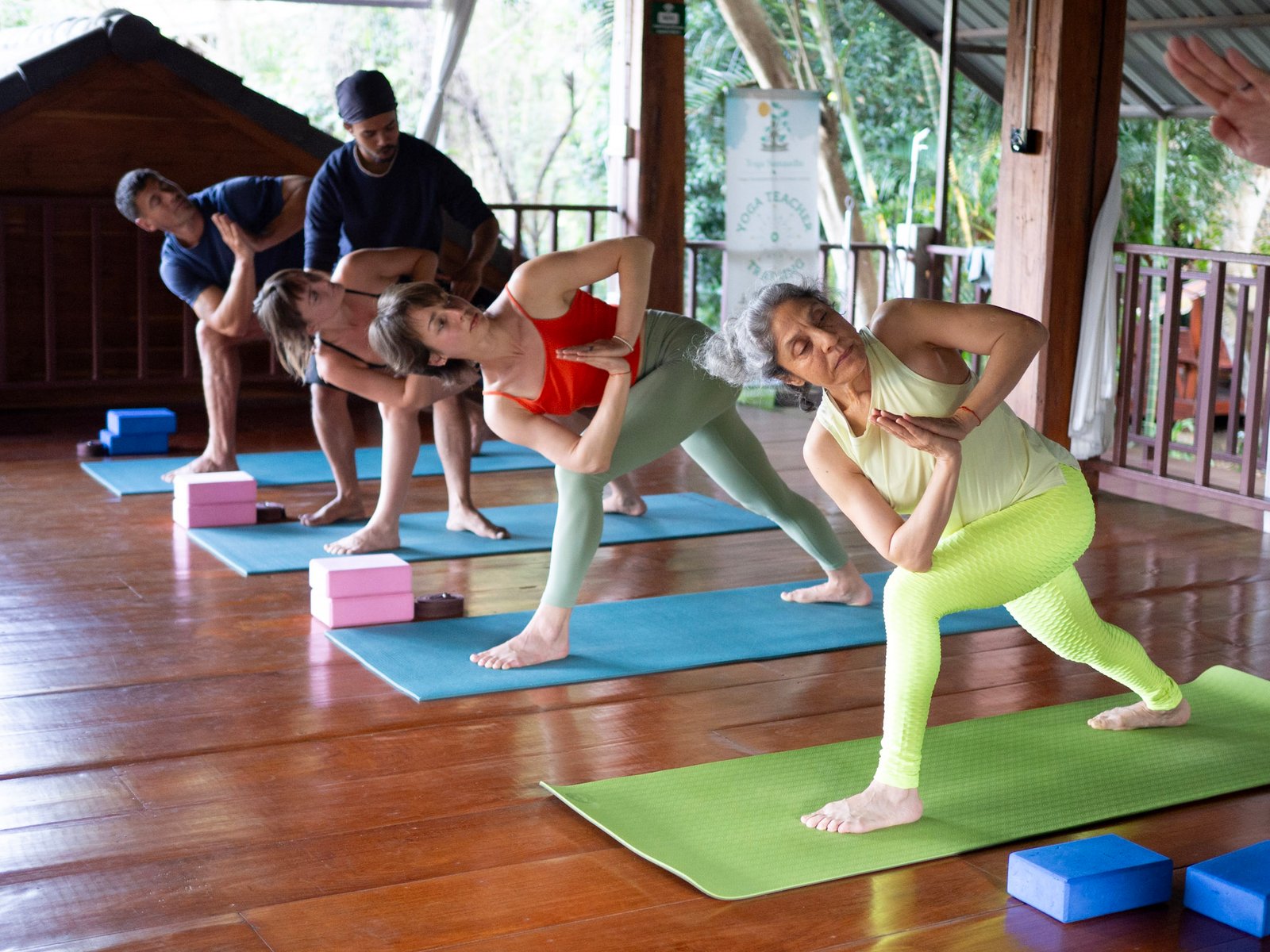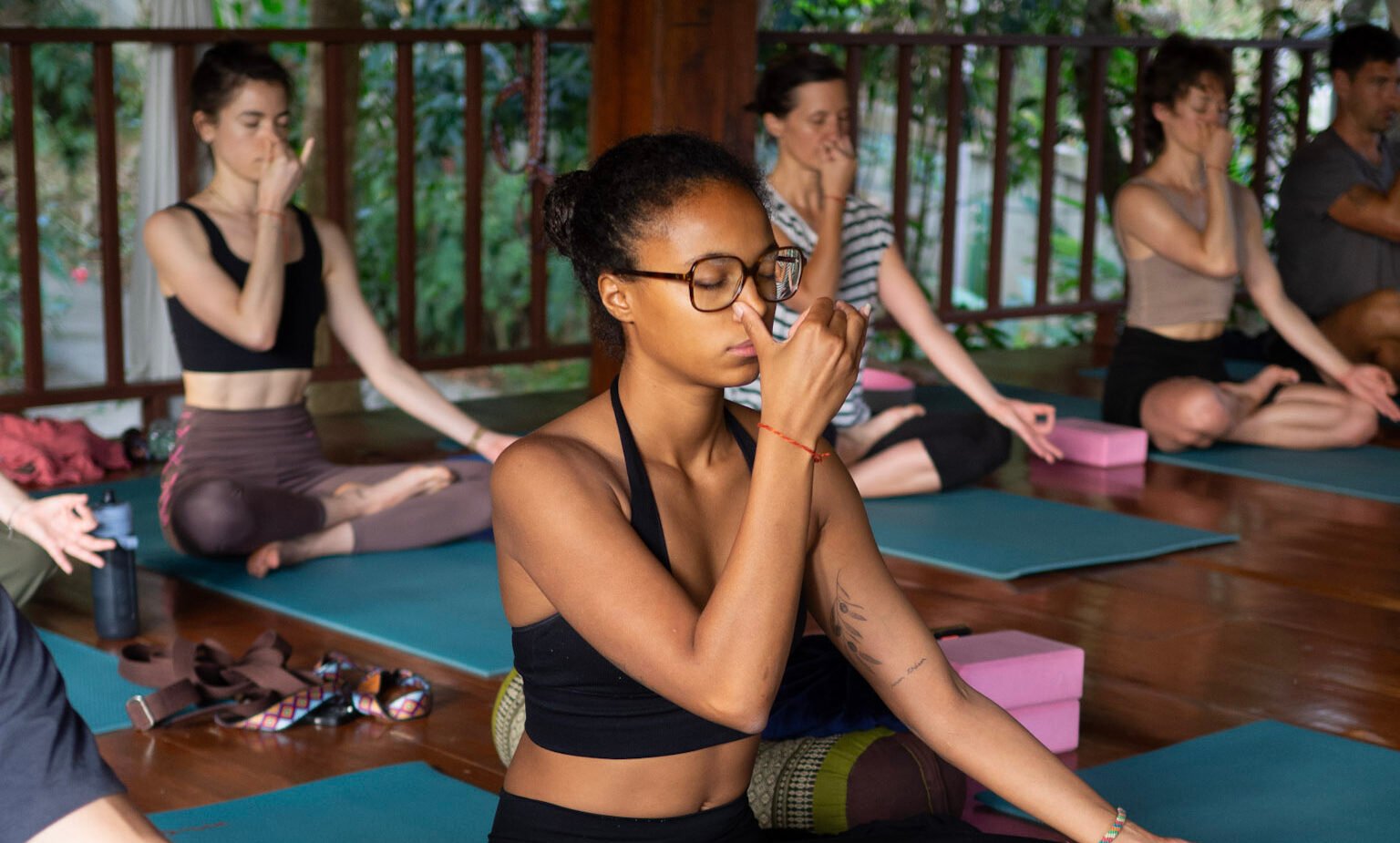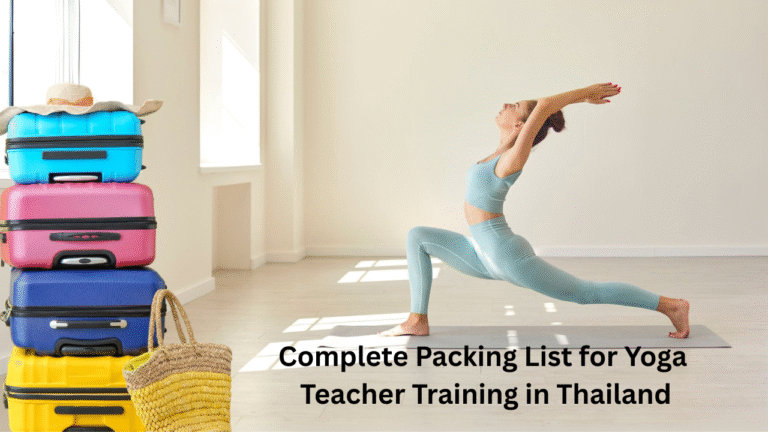
Preparing for yoga teacher training in Thailand is exciting, but deciding what to bring can take some thought. You will need clothes for practice, everyday essentials and travel documents. Depending on your course location and schedule, you may also want items for outdoor activities or time near the beach.
Yoga Samaadhi holds training in Chiang Mai and sometimes offers beachside training. Confirm your course location, schedule and inclusions before packing. This checklist covers the essentials and helps you choose what suits your program.
Start with Your Course Details
Before packing, check your course confirmation or ask the school about:
- The exact training location and arrival point
- What yoga equipment is provided
- Whether accommodation, meals or laundry are included
- What clothing is suitable for classes and cultural visits
- Any planned excursions or outdoor activities
- School rules that affect what you can bring
For example, Yoga Samaadhi’s 200-hour course page lists yoga mats and equipment for use in class. Confirm what is provided for your specific course before packing bulky items.
Quick Packing Checklist
Use this as a starting point and adjust it to your course:
- Comfortable yoga clothes and everyday clothing
- Sleepwear, underwear and a light layer
- Modest clothing for cultural or temple visits
- Swimwear, sandals or quick-drying clothes if they suit your schedule
- Passport, course confirmation and travel insurance details
- Prescription medicine and personal care products
- Phone, chargers and a suitable plug adapter
- Reusable water bottle
- Sunscreen and insect repellent
- Payment cards and some Thai baht
- Personal yoga props or study materials you regularly use
- Small day bag for travel or excursions
Yoga Clothes and Practice Gear
Choose clothes that let you move comfortably and suit your training schedule. Breathable yoga tops and bottoms are useful for regular classes. Bring enough changes for your routine, taking laundry access into account.
You may also want:
- Everyday outfits for meals, travel and free time
- Comfortable sleepwear
- A light jacket, long-sleeved top or shawl
- A small towel for practice
- A strap, eye pillow or other personal prop you regularly use
If your schedule includes time near the beach or water, swimwear, sandals, quick-drying clothing or a small dry bag may be useful. These are optional; check the course location and activities before deciding what to pack.
Before bringing your own yoga mat, ask whether the school provides one. Yoga Samaadhi’s 200-hour program information lists class mats and equipment. Confirm whether the same applies to your specific course.
Toiletries and Personal Care
Bring the products you rely on, particularly if you prefer a certain brand or have sensitive skin. Travel-size containers can save space, and you may be able to buy some basics after arrival.
Consider packing:
- Toothbrush and toothpaste
- Shampoo, conditioner and soap
- Deodorant and moisturizer
- Hairbrush or comb
- Sunscreen
- Insect repellent
- Personal menstrual products
- Prescribed medicine and any essential personal care items
Keep medicines in their original packaging where possible. Check the travel rules that apply to your journey before carrying medication across borders.
Electronics and Study Materials
Choose devices based on what you expect to use. You may want:
- Phone and charger: For communication, travel details and digital copies of documents.
- Spare cable and power bank: Useful during travel or long days out.
- Plug adapter: Check that it works with your devices.
- Headphones: Helpful during travel or quiet study time.
- Laptop or tablet: Optional if you expect to use it for notes or assignments.
- Camera: Optional; ask before photographing other students or classes.
- Notebook and pen: A simple way to keep class notes.
You probably do not need every device on the list. Pack only what supports your course and travel plans.
Travel Documents and Money
Keep important documents secure and accessible. Travel requirements can depend on your nationality, route and dates, so check current official guidance rather than relying on a general packing article.
Before leaving, confirm that you have:
- A valid passport and any required travel documents
- Course booking confirmation and contact information
- Arrival instructions and the correct course location
- Travel and medical insurance details
- Emergency contacts
- Secure digital copies of important documents
- Payment cards and a small amount of Thai baht
Contact your bank before travelling if you need to check how your cards work abroad. Keep digital copies protected and store them separately from the originals.
Health and Outdoor Comfort
Sunscreen and insect repellent may be useful when spending time outdoors. Choose products that suit your needs and follow their label instructions. If your course includes outdoor activities, ask the school whether you should bring anything else.
A reusable water bottle can be convenient during the day. Check whether drinking water or refill options are available at your accommodation or training site.
Optional Items
Depending on your habits and schedule, these items may be helpful:
- Small day bag for excursions
- Laundry bag or packing cubes
- Book or digital study materials
- Snacks you already know suit you
- Reusable shopping bag
- Earplugs or sleep mask
- Swimwear, sandals or a dry bag if you expect to use them
Check with your school before bringing supplements, food or extra course materials. Some things may be easy to buy locally, while others could take up luggage space without being necessary.
How to Pack Light and Stay Organized
A simple packing plan can prevent overpacking:
- Sort items by use: Keep clothes, toiletries, documents and electronics together.
- Choose versatile clothing: Pack pieces you can use for more than one activity.
- Check laundry options: This helps you decide how many changes of clothing to bring.
- Use small pouches: Keep chargers, medicines and travel documents easy to find.
- Review the school’s list: Leave out items already provided by your course.
- Leave some room: Avoid filling every part of your luggage before departure.
Check Travel Restrictions and School Rules
Do not rely on a blog post for current customs, visa or airline restrictions. Check official travel guidance for your nationality and route, and confirm baggage rules with your airline.
School policies are separate from national laws. Yoga Samaadhi’s rules and regulations explain expectations for students on campus. Read the current guidance before packing items that may be restricted at the training site or during activities.
For temple visits and cultural outings, follow local guidance and your hosts’ instructions on appropriate clothing and behaviour.
Frequently Asked Questions
Do I need to bring my own yoga mat?
It depends on your course. Yoga Samaadhi’s 200-hour course page lists mats and equipment for class use. Confirm what is provided for your specific training before bringing a mat.
What clothes should I pack?
Bring comfortable yoga clothes, everyday outfits, sleepwear and a light layer. If your course schedule includes time near the beach or water, you may also want swimwear and sandals.
Should I bring a laptop?
A laptop is optional. Bring one if you expect to use it for study or assignments; otherwise, a phone or notebook may be enough.
Can I buy toiletries after I arrive?
Some everyday products may be available locally, but availability and preferred brands can vary. Bring essential personal items, prescribed medicine and products you know you need.
Final Check Before You Travel
The best packing list depends on your course location, schedule and personal needs. Confirm where your training will take place, check what the school provides, and review current travel and campus guidance before departure.
For current program information, visit the Yoga Samaadhi course page. For other locations, course dates or specific packing questions, contact the school before you travel.