
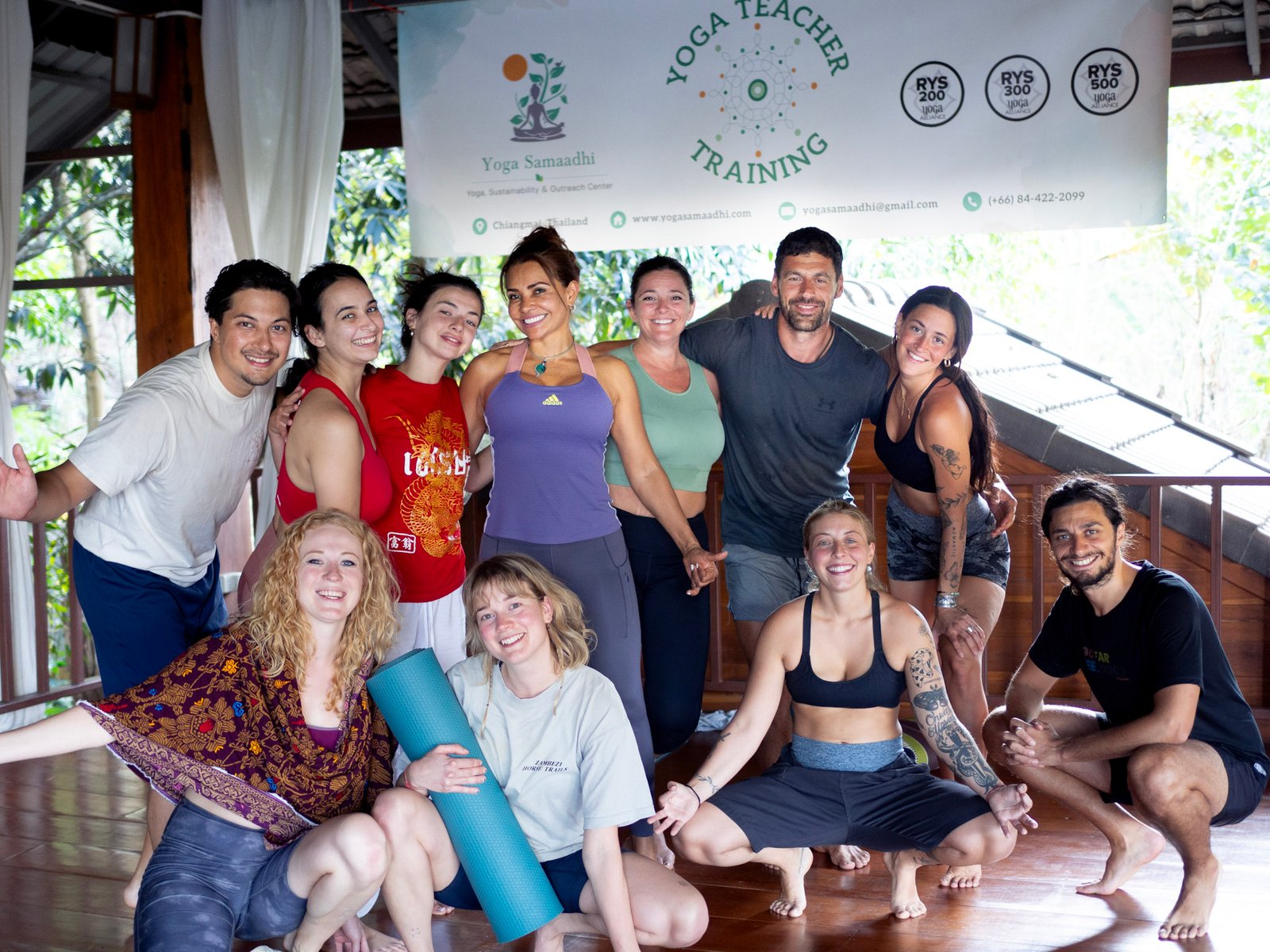
Walk into a yoga class and the teacher says pranayama. Walk into a wellness workshop and the same sort of thing is called breathwork. So are they the same? Not quite, and the pranayama vs breathwork confusion is fair, because the two overlap a lot.
Here’s the short version. Pranayama is the breathing side of yoga, with roots in old texts. Breathwork is a newer, looser label for almost any deliberate breathing, from sitting quietly and noticing your breath to fast, intense group sessions. Below: how they differ, what the research shows, and how to pick a sensible starting point.
Pranayama is a group of breathing practices from the yoga tradition. Breathwork is a modern catch-all term for deliberate breathing of many kinds, gentle or intense. Pranayama counts as one kind of breathwork, but plenty of breathwork has nothing to do with yoga. The technique, the teacher and the intensity tell you more than the label.
What Pranayama Actually Is
The word is Sanskrit. Prana usually means breath or life force, and the second half gets translated as control, extension or expansion, depending on who you ask. A review of slow breathing notes that both readings are used, so be wary of anyone who claims there’s one right translation.
In Patanjali’s Yoga Sutras (2.49), pranayama is about regulating the movement of the in-breath and out-breath, and it’s the fourth of yoga’s eight limbs. The later Hatha Yoga Pradipika gets practical. It names eight kumbhakas (breath-holding practices), including ujjayi, bhastrika and bhramari, and tells students to go slowly and learn from a teacher. That last bit still holds up.
So pranayama isn’t one exercise. It’s a toolkit, and different teachers reach for different parts of it. Some stick to slow, even breathing, while others add breath holds, locks called bandhas, or quick cleansing techniques.
And What Is Breathwork?
Breathwork has no official definition. One large meta-analysis calls it deliberate control of the breath, while plenty of teachers use the word for simply noticing your breath without changing it. It turns up in studios, coaching, apps and group sessions.
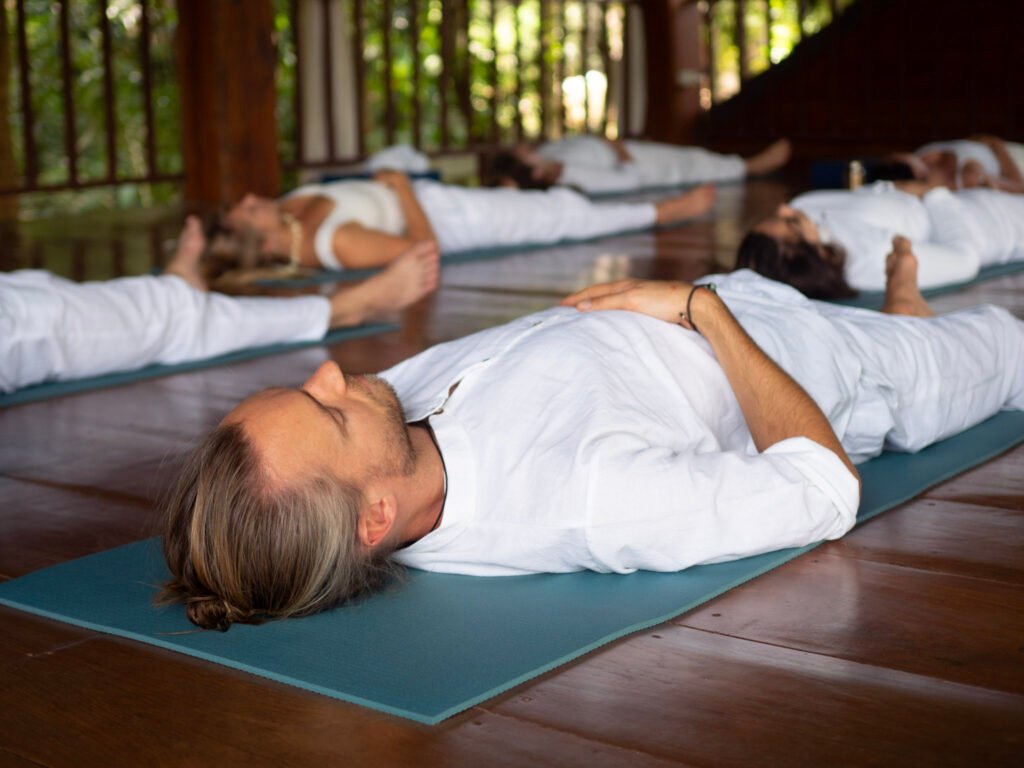
It isn’t always intense, always therapeutic or always ancient, whatever the poster says. Before you sign up, ask what you’ll actually be doing for the hour.
Pranayama vs Breathwork: How They Differ (and Where They Don’t)
| Pranayama | Breathwork | |
|---|---|---|
| Meaning | Breath practices within yoga. | A loose, modern umbrella term. |
| Roots | Yoga texts and teaching lineages. | Many sources, old and new. |
| Where you meet it | Yoga classes, teacher training. | Studios, workshops, coaching, apps. |
| Range | Gentle to demanding, sometimes with breath holds. | Gentle to very active. |
Mostly it comes down to scope. Pranayama is one tradition’s breathing practices. Breathwork is a whole field with no gatekeeper. They share plenty: both train attention on the breath, and both use rhythm and counting. Calling pranayama a type of breathwork is fair. Calling all breathwork pranayama isn’t.
In real life the line blurs. A yoga class might end with ten minutes of pranayama, while a breathwork session might borrow counted breathing from yoga without ever using the word. That’s why the name on the booking page doesn’t tell you much about what happens in the room.
Techniques You’ll Hear About
-
- Gentler pranayama: dirga (a slow breath into belly, ribs and upper chest), ujjayi (slow nose breathing with a soft sound at the back of the throat), nadi shodhana (alternate nostrils) and bhramari (a hum on the exhale).
-
- Stronger pranayama: kapalabhati (short, sharp exhales) and bhastrika (a fast bellows breath). Learn these in person. This guide doesn’t include instructions for them.
-
- Breathwork styles: simple breath awareness, counted breathing (box breathing uses equal counts for in, hold, out, hold), slow coherent breathing at roughly five to six breaths a minute, faster continuous patterns, and facilitated group sessions. The fast continuous styles deserve the most care.
What Can Breathing Practice Actually Do?
Some people use these practices to notice how they breathe, take a few calm minutes, or practice focus. That’s a modest claim, which suits the research. It’s also worth remembering that how you feel after a session depends on you, the teacher and the day.
A review of slow breathing in healthy adults found only 15 eligible studies. A 2023 meta-analysis of 12 trials found a small to medium drop in self-reported stress, though most studies carried some risk of bias. Then a larger trial of 400 people found coherent breathing did no better than a placebo breathing exercise, and both groups improved. Promising, then, but not settled.
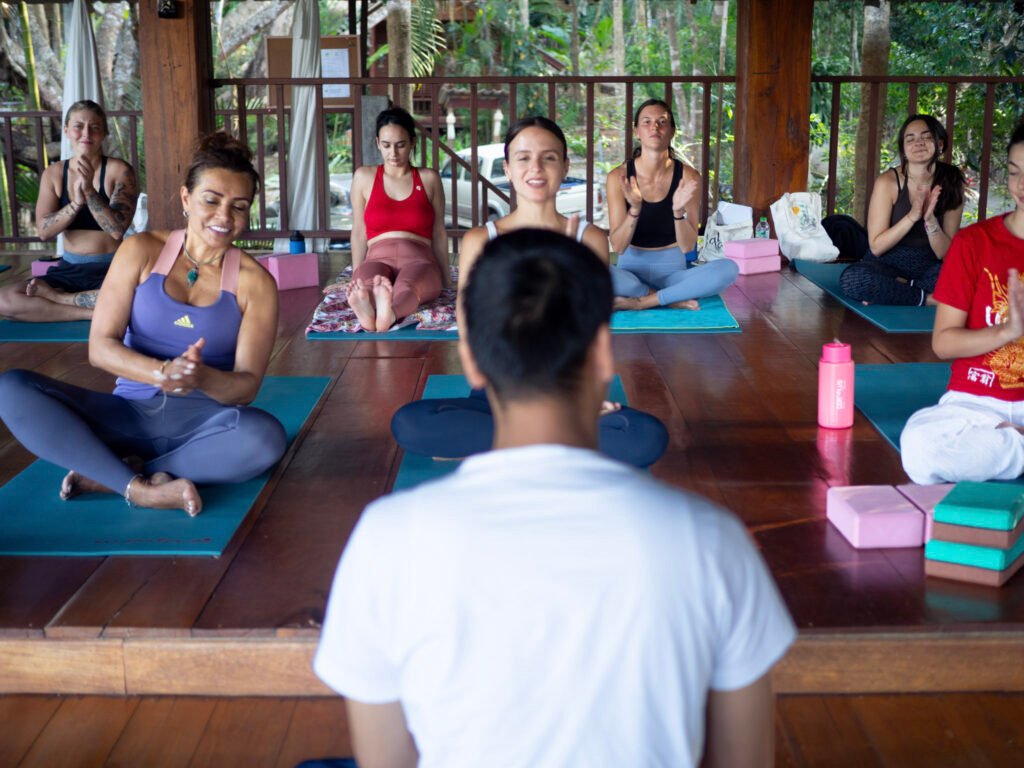
The NIH’s NCCIH says relaxation techniques are generally safe, with limited evidence for specific conditions. Nobody should promise a cure, a detox or a big emotional release.
If You’re New
-
- Start simple. Sit comfortably and watch your breath for a few minutes, or breathe slowly with a slightly longer exhale.
-
- Learn anything unfamiliar from a teacher in person.
-
- Before booking, ask which technique it is, how intense it gets, and whether there are breath holds.
-
- If you feel off, stop and go back to normal breathing. Nobody wins a prize for pushing.
A simple first try: sit or lie down comfortably, breathe through your nose, and count a gentle three in and four out for two minutes. Then rest and breathe normally. If counting makes you tense, drop the count and just watch the breath. That’s a good enough start.
A Word on Safety
Gentle and forceful practices don’t carry the same risk. Fast breathing, long holds and strong patterns need more care. NIH says relaxation techniques are generally safe for healthy people, with rare reports of problems in people with epilepsy, certain psychiatric conditions or a history of trauma. If you’re pregnant or have a health condition, ask your doctor before trying intense methods, and tell the teacher.
Dizziness, distress or pain means stop. Don’t do fast or forceful breathing while driving or in water. A video can’t see you or adjust anything, which is one more reason to learn new techniques with a teacher in the room. This is general information, not medical advice.
How to Choose a Class
Treat it like any other class and ask a few plain questions before you pay:
-
- What exact technique will we do?
-
- Is this session meant for beginners?
-
- How active is the breathing, and are there breath holds?
-
- Who’s teaching, and what training do they have?
-
- Can I pause or change the practice if I need to?
-
- Does the teacher make realistic claims, or promise dramatic results?
Clear answers are a good sign. Vague answers, or big promises, are a reason to look elsewhere.
Can You Learn Pranayama in a Yoga Teacher Training?
Many trainings include it, but how much varies a lot from school to school. It also isn’t the same as breathwork facilitator training.
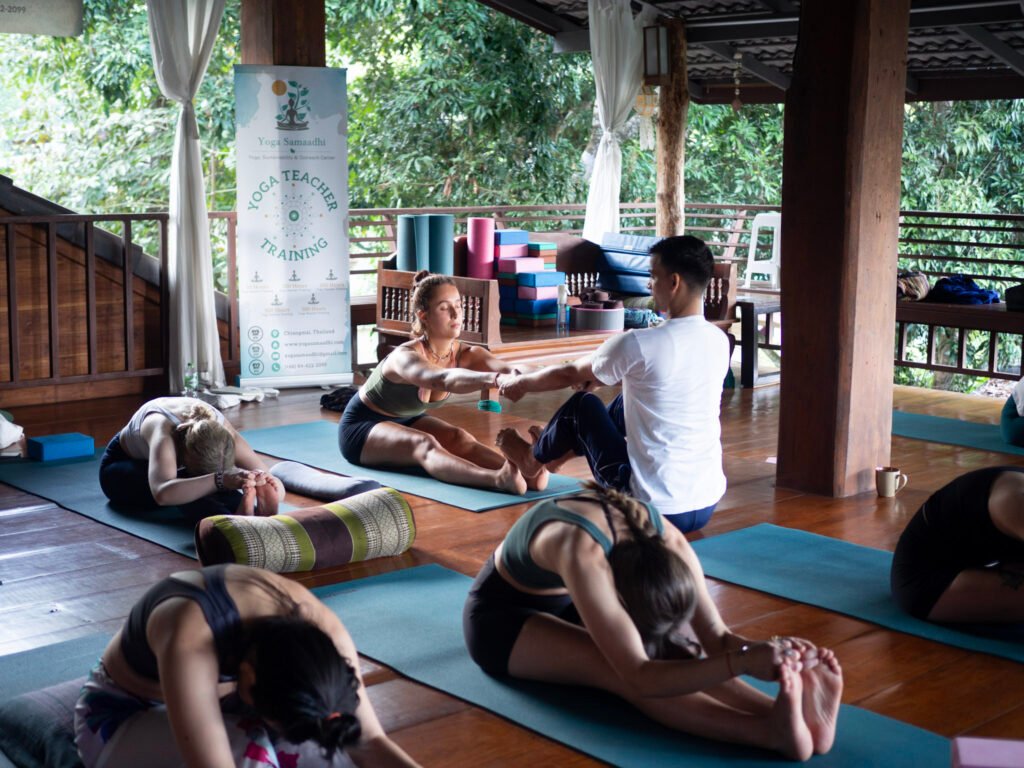
At Yoga Samaadhi in Chiang Mai, the 200-hour training page lists pranayama as its own subject. It starts with diaphragmatic breathing, then 1:1, 1:2 and 1:4 breathing ratios, and techniques including nadi shodhana, ujjayi, kapalabhati and bhastrika. It sits alongside shat-kriya such as jala neti and sutra neti, plus bandha and mudra, in a tentative 6:30 to 7:30 am block.
The FAQ says beginners are welcome. The school lists itself as a Registered Yoga School (RYS), so check the Yoga Alliance directory for its current status and ask how much time goes to pranayama.
FAQs About Pranayama vs Breathwork
Is pranayama a type of breathwork?
Broadly, yes. Pranayama is breathing practice from yoga, and breathwork is the bigger umbrella. A lot of breathwork has no yoga roots, though, so it doesn’t work the other way round.
Which is better for beginners?
Neither wins automatically. What matters is a gentle practice, a teacher you trust and a clear description of what you’ll do. A beginner yoga class with easy breathing is a low-risk place to start.
Does breathwork always mean intense breathing?
No. It can be as quiet as watching your breath. Some sessions are fast and strong, which is why it’s worth asking in advance.
Can I practice pranayama without doing yoga?
Yes, plenty of people practice breathing exercises on their own. Pranayama does sit inside yoga, though, so a yoga teacher can explain the context and help you learn it safely.
Is breathwork the same as meditation?
No. Some practices use the breath as the thing you pay attention to, as many meditations do. Many breath practices change the breath on purpose, which most meditation doesn’t. They can be combined.
Conclution
So, pranayama vs breathwork: they overlap, but they aren’t the same size. Pranayama comes from yoga. Breathwork is a wide label for lots of methods, and it means different things in different rooms. What you’ll actually do, who’s teaching and how intense it is matter more than the name on the flyer.
Start gently, ask questions, and stop when something feels wrong. If yoga education in Chiang Mai interests you, have a look at Yoga Samaadhi’s 200-hour training or get in touch with questions about the curriculum.
Yoga Samaadhi Upcoming Events Sustainability Activity | Outreach Program | Yoga Teacher Training (Chiang Mai, Thailand)

Read Our Blog
Read our articles on different topics of yoga, sustainability and community updates…
More Details
Yoga TTC in Thailand
Learn about yoga teacher training and how it guides you to a harmonious lifestyle…
More Details
Community Outreach Programs
Find out more about hill tribes, their ways of life and how we can take part in their progress…
More Details
Sustainability Activity
Find spirituality in sustainability, living in harmony with nature and adopting mindfulness…
More Details