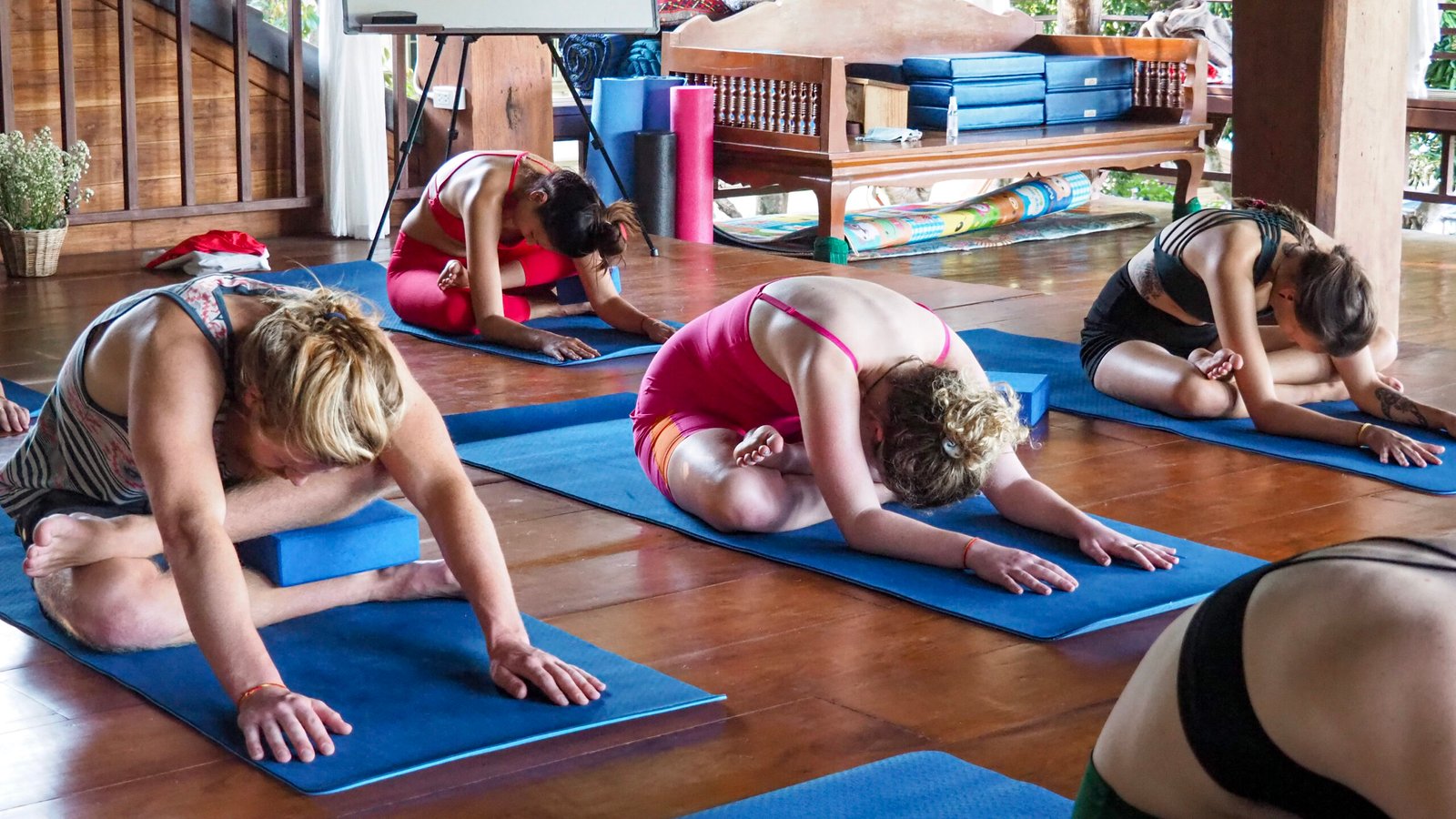
Thinking about taking your yoga practice further or learning how to teach? Yoga teacher training in Thailand can combine structured study with the experience of living in a new culture. The right program depends on your goals, preferred teaching style, schedule and budget.
Thailand offers different settings, from busy coastal destinations to quieter northern communities. Yoga Samaadhi’s training takes place in Chiang Mai, so this guide focuses on what prospective students should consider when exploring a course there.
Why Consider Yoga Teacher Training in Thailand?
Students choose to train abroad for different reasons. Some want to deepen their personal practice; others hope to develop the skills needed to teach. Studying in Thailand can also offer an opportunity to experience local food, customs and daily life alongside yoga study.
The setting is part of the experience, but it should not be the only reason you choose a school. Before applying, look closely at the course structure, teachers, accommodation, daily schedule and what the fee includes.
What to Expect from Training in Chiang Mai
Chiang Mai is in northern Thailand, away from the country’s beaches. Its local setting, community and access to regional cultural experiences may suit students who want to focus on study while getting to know a different part of Thailand.
If training beside the sea is important to you, compare the location advertised by each school with its actual campus. Photos of beaches or tropical scenery should not be taken as proof that a course is held there.
Explore Yoga Samaadhi’s yoga teacher training courses in Chiang Mai for current program and location details.
What Does a Yoga Teacher Training Curriculum Include?
Curricula vary by school and program. Training may cover yoga postures, alignment, anatomy, philosophy, breathing practices, sequencing and teaching methods. Some programs also include opportunities to practise teaching with fellow students.
Before choosing a course, review its current syllabus and ask:
- How much time is spent on practical teaching?
- Which yoga styles and traditions are taught?
- What experience or preparation is recommended?
- How are attendance and course completion assessed?
- What support is available if you have questions during training?
Compare the 200-hour and 300-hour program details to see which course better matches your experience and goals.
Understand the Certificate and Registration Process
Check carefully what a course certificate means and what steps follow graduation. Completing a school’s training and registering with Yoga Alliance are not necessarily the same step. Yoga Samaadhi’s FAQ explains its certificate and registration process; review it alongside the school’s certification information.
Confirm the current requirements, any separate registration fees and what documentation you will receive before enrolling. Avoid relying on broad claims such as “internationally certified” unless the school explains exactly what that means.
Experience Thai Culture with Respect
Training abroad can offer ways to learn about the community around you. You might visit local markets, explore regional food or take part in cultural activities during free time. If you visit temples or other places of worship, follow local guidance on respectful clothing and behaviour.
Cultural activities vary by program and schedule, so ask the school what is actually included rather than assuming that excursions or outings are part of the course.
How to Prepare for Yoga Teacher Training in Thailand
A little preparation can make the transition easier:
- Review the course requirements: Check the school’s current guidance on experience, attendance and what to bring.
- Build a steady practice: A regular personal practice can help you become familiar with movement and breathwork before training.
- Plan travel and accommodation: Confirm arrival details, what your course fee covers and which expenses are separate.
- Pack for the actual location and season: Check local weather and the school’s recommendations before packing.
- Stay open to learning: Teacher training includes study, feedback and practice; it may feel different from attending regular yoga classes.
How to Choose the Right Training Destination
Thailand is one of several destinations people consider for yoga teacher training. Some compare it with programs in India, Bali, Costa Rica or Portugal. Instead of choosing based only on scenery, compare the specific schools and programs.
Look at curriculum, instructor experience, class size, costs, accommodation, daily schedule and student feedback. A destination that suits one person may not suit another, so focus on the conditions that matter most to you.
Read Real Student Experiences
First-hand accounts can help you understand what a course is like, but they should come from real students and reflect their own experience. Look for detailed, attributable reviews and ask the school whether you can speak with a former trainee. Consider what students say about teaching practice, workload, accommodation and support—not only the scenery.
Is Yoga Teacher Training in Thailand Right for You?
Yoga teacher training can be a substantial commitment of time, money and effort. Before deciding, consider what you want from the experience and whether the course’s location, curriculum and practical arrangements fit your needs.
If Chiang Mai matches what you are looking for, review the current course information and frequently asked questions. Contact the school to confirm details that could affect your decision, including dates, availability, accommodation and fees.