
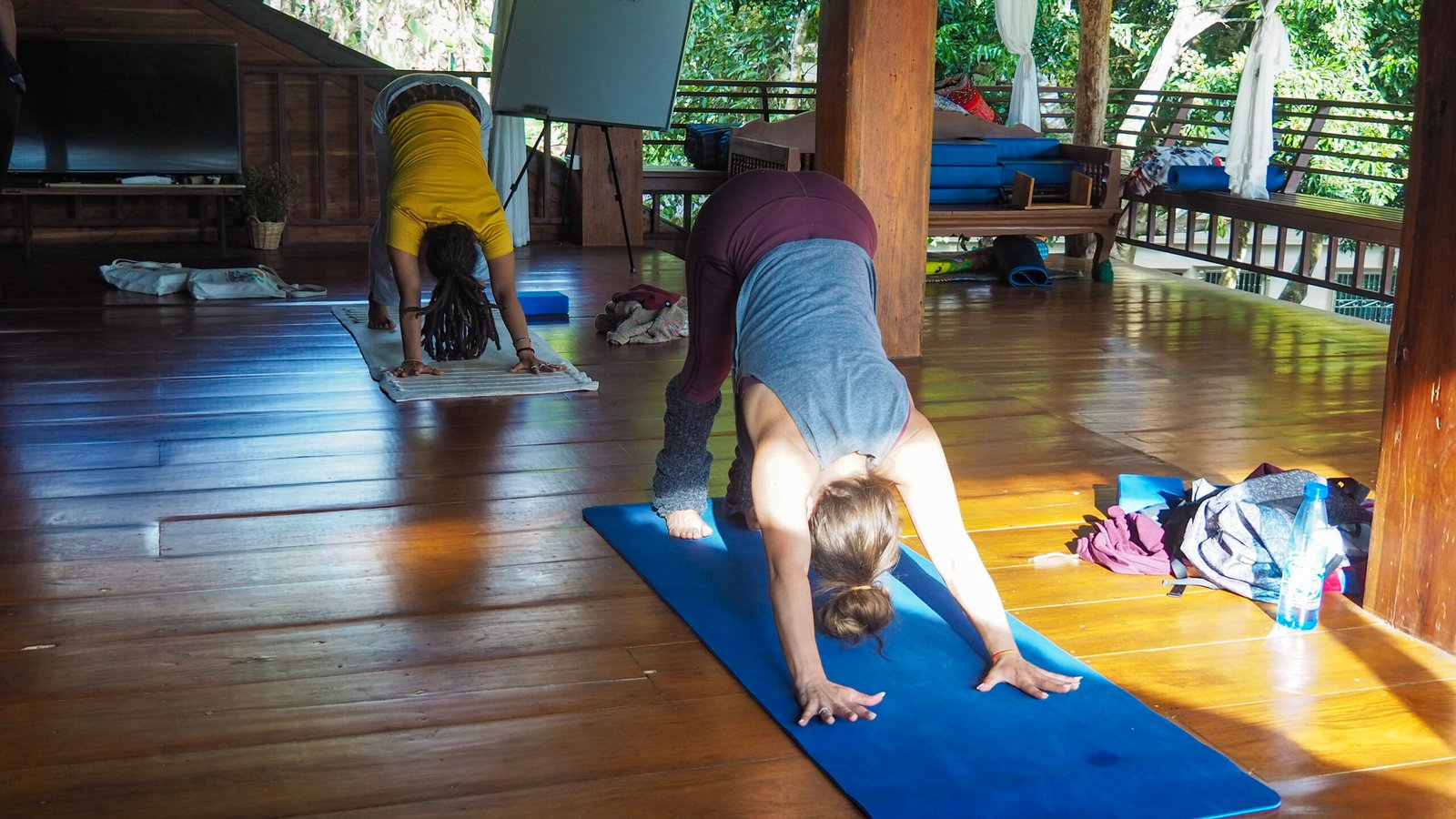
Regular physical activity is one practical way to support heart health. It can help improve cardiovascular fitness, support healthy blood pressure and cholesterol levels, and make everyday activities feel easier. Movement can also support sleep, mood and general wellbeing.
You do not need to begin with an intense workout. Walking, cycling, swimming, dancing, strength exercises and yoga can all be part of an active routine. The best starting point is an activity that feels manageable and that you can return to regularly.
How Regular Exercise Supports Heart Health
Physical activity asks the heart and lungs to deliver oxygen to working muscles. Over time, regular activity can improve cardiovascular fitness and support several factors linked with heart health.
Exercise may help:
- Support healthy blood pressure and cholesterol levels
- Improve cardiorespiratory fitness and stamina
- Help manage weight as part of an overall health routine
- Reduce time spent sitting
- Support mood, sleep and stress management
The effects differ from person to person. Exercise is one part of heart care and does not replace medical advice, prescribed medication or treatment for a heart condition.
Types of Exercise That Can Support a Heart-Healthy Routine
A balanced routine can include aerobic activity, muscle-strengthening movement and flexibility or balance work. Choose activities that fit your health, interests and current ability.
Aerobic activity
Aerobic activity raises your heart rate and makes you breathe faster. Examples include brisk walking, cycling, swimming, dancing and some faster-paced yoga flows.
At moderate intensity, you should be breathing harder than usual but still able to talk. If you can sing comfortably, you may be working at a lighter intensity. You do not need to run or choose a high-impact activity to become more active.
Strength activity
Strength work helps you develop and maintain muscle. It can include bodyweight exercises, resistance bands, light weights or yoga poses that require you to support your body.
Start with movements you can do with good control. If you want a home-based option, see our guide to a full-body strength workout at home.
Yoga and mindful movement
Yoga combines movement with attention to breathing and body awareness. A gentle class may be a comfortable way to begin moving, while some more active styles can feel more physically demanding. The amount of aerobic activity you get depends on the style, pace and sequence.
Yoga may complement other forms of movement by supporting flexibility, balance and relaxation. It does not need to replace walking or other aerobic activity. If you are new to yoga, try this beginner-friendly morning yoga routine.
Everyday movement
Physical activity does not have to happen only in a class or a planned workout. Walking for errands, taking the stairs, gardening, dancing at home or standing up to move between periods of sitting can all add movement to your day.
How Much Exercise Should You Aim For?
For most adults, general physical activity guidelines recommend at least 150 minutes of moderate-intensity aerobic activity per week, or 75 minutes of vigorous-intensity activity, or a combination of both. They also recommend muscle-strengthening activity on at least two days a week.
These are general targets, not a test you need to pass before exercise “counts.” If you are currently inactive, begin with a shorter walk or another comfortable activity. You can gradually add time or frequency as your body adapts.
For example, you might start with a 10-minute walk on several days of the week. As that feels manageable, add a few minutes or another day. Short sessions can add up across the week.
How to Start Exercising Safely
A steady start can make it easier to build a lasting routine.
- Choose an activity you enjoy. Walking, gentle yoga, swimming, cycling or dancing are all possible starting points.
- Set a realistic first goal. Begin with a duration and frequency that fit your current fitness and schedule.
- Warm up gradually. Start with a few minutes of slower movement before increasing your pace.
- Use the talk test. During moderate activity, you should be able to talk, although you may not want to sing.
- Increase one thing at a time. Add a little more time, another session or slightly more effort, rather than changing everything at once.
- Cool down. Slow your pace at the end and allow your breathing to settle.
- Notice how you feel. Rest when you need to and adjust the activity if it causes pain or unusual symptoms.
If you have a heart condition, a chronic health condition, or have recently had a heart-related event or procedure, ask your healthcare team what kind and amount of activity is appropriate for you. A personalised plan may be different from general public guidelines.
Tips for Making Exercise Part of Everyday Life
- Put movement into your calendar as you would any other appointment.
- Break longer sessions into shorter walks or activity breaks.
- Invite a friend or family member to join you if company helps you stay motivated.
- Keep comfortable walking shoes or a yoga mat somewhere easy to reach.
- Track your activity in a simple calendar or notebook.
- If you miss a day, return to your routine when you are ready. A missed session does not erase your progress.
- Reduce long periods of sitting by getting up and moving around when you can.
A routine is more likely to last when it works with your real life. Choose a pace that feels repeatable rather than trying to make every session difficult.
Food and Other Habits That Support Heart Health
Exercise works alongside other everyday habits. A balanced eating pattern can include a variety of vegetables and fruits, whole grains, beans, nuts and other suitable sources of protein. Choosing less highly processed food and following personalised advice from your healthcare professional can also be part of a broader heart-health plan.
Sleep, avoiding tobacco, managing stress and attending recommended health check-ups are also relevant. No single food, exercise or yoga practice can guarantee protection from heart disease.
When to Stop and Seek Medical Advice
Stop exercising if you experience chest pain or pressure, unusual or severe shortness of breath, faintness, dizziness or another concerning symptom. If symptoms are severe, sudden or feel like an emergency, seek urgent medical help.
If you have a known heart condition or are recovering from a heart attack, surgery or another cardiac event, follow the activity plan given by your healthcare team. Do not use a general online exercise routine in place of cardiac rehabilitation or personal medical guidance.
Frequently Asked Questions
Is walking good exercise for heart health?
Walking is an accessible form of aerobic activity for many people. A comfortable pace is a reasonable place to start. You can build duration or pace gradually as your ability allows.
Does yoga count as cardiovascular exercise?
It depends on the style and intensity. Some flowing yoga practices can raise the heart rate, while gentler classes may focus more on mobility, balance and relaxation. Yoga can be part of an active routine, but it may not provide the same aerobic effort as brisk walking, cycling or swimming.
How many days a week should I exercise?
General adult guidance recommends spreading aerobic activity across the week and including strength activity on at least two days. If you are starting from a low activity level or have a medical condition, begin with an amount that is suitable for you and build gradually.
Can exercise prevent heart disease?
Regular physical activity is associated with better cardiovascular health and may help reduce some risk factors. It cannot guarantee that a person will not develop heart disease. Family history, age, health conditions and other factors also matter.
Should I exercise if I already have heart disease?
Many people with heart conditions can benefit from an appropriate activity plan, but the type and intensity should be guided by their healthcare team. Ask for advice before making significant changes to your routine.
Conclusion
Regular movement can support heart health and make daily life more active. Begin with an activity that feels accessible, build up gradually and combine aerobic movement with strength and flexibility work where appropriate.
Walking, yoga, cycling, swimming and simple home exercises can all contribute to a routine. Choose what suits your body and schedule, and seek professional guidance when a health condition or symptom affects what is safe for you.
Yoga Samaadhi Upcoming Events Sustainability Activity | Outreach Program | Yoga Teacher Training (Chiang Mai, Thailand)

Read Our Blog
Read our articles on different topics of yoga, sustainability and community updates…
More Details
Yoga TTC in Thailand
Learn about yoga teacher training and how it guides you to a harmonious lifestyle…
More Details
Community Outreach Programs
Find out more about hill tribes, their ways of life and how we can take part in their progress…
More Details
Sustainability Activity
Find spirituality in sustainability, living in harmony with nature and adopting mindfulness…
More Details