
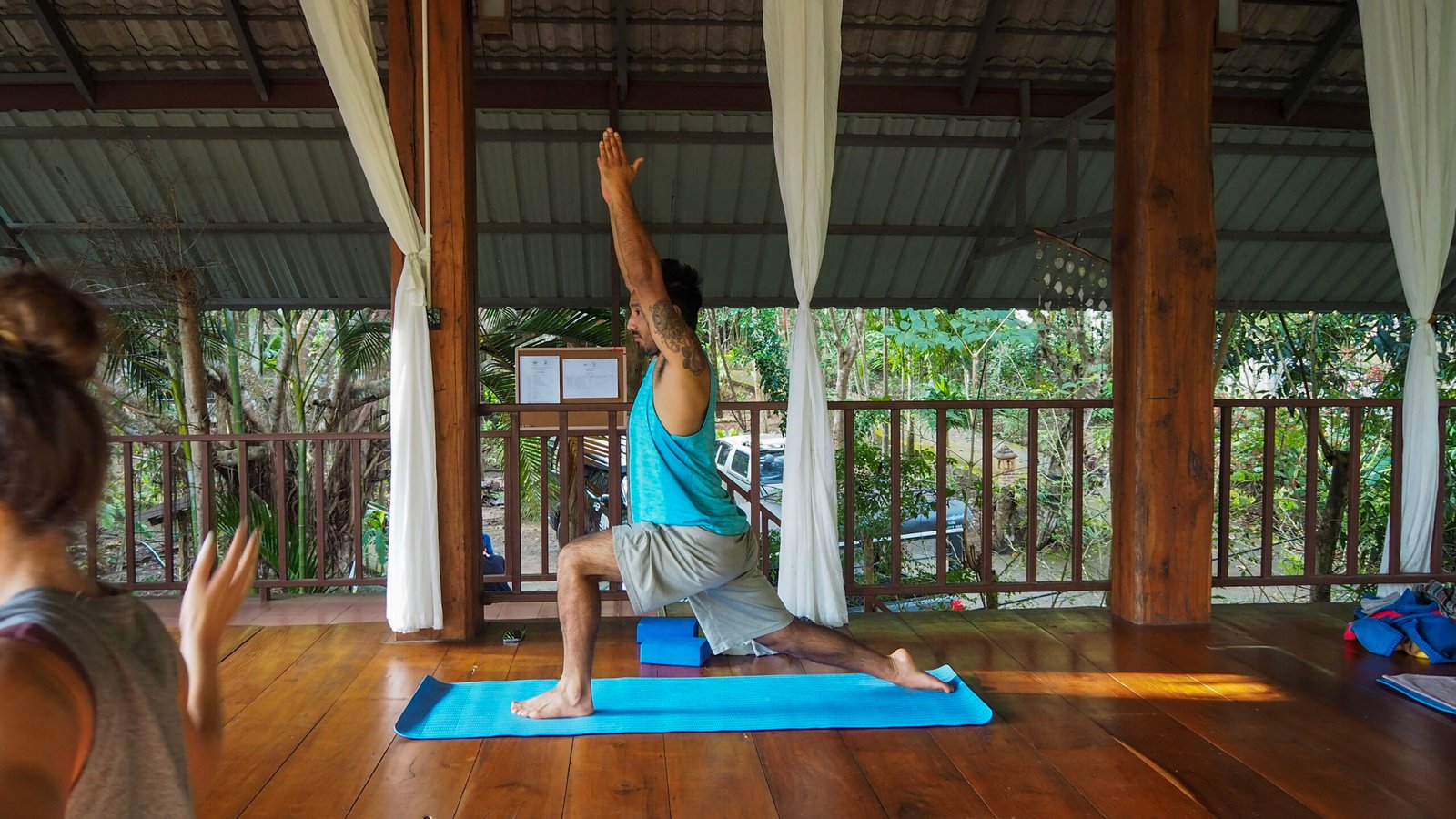
If you are exploring yoga for weight loss, it helps to begin with realistic expectations. Yoga can be one part of an active lifestyle and may support habits such as regular movement, body awareness and stress management. But the effect varies from person to person, and yoga alone does not guarantee weight loss.
Yoga styles also differ. A gentle, restorative class may feel very different from a faster Vinyasa session. Rather than looking for one “best” pose or a quick fix, choose a practice that feels suitable for your body and that you can maintain over time.
This guide explains what yoga may contribute, how different styles compare and how to start a simple routine alongside other sustainable health habits.
Can Yoga Help With Weight Loss?
Research suggests that yoga may support weight management for some people. Studies have included different groups, yoga styles and practice schedules, so the results should not be taken as a promise that a particular class or pose will lead to a specific change.
Yoga can provide movement and, depending on the style, may challenge strength, balance or stamina. It can also make some people more attentive to how they feel and to everyday habits. These are possible ways yoga may fit into a broader weight-management plan, not guaranteed mechanisms or medical outcomes.
Weight is affected by many factors, including eating patterns, daily activity, sleep, stress, health conditions, medications, age and environment. A yoga practice can complement other habits, but it cannot account for all of them.
What Yoga May Contribute to a Weight-Management Routine
Regular movement
Yoga is a way to move your body. More active styles may feel physically demanding, while gentle styles may focus more on mobility, balance and relaxation. Both can have a place in a routine, depending on your goals and needs.
Strength, balance and body awareness
Some yoga poses ask you to support your body or hold a position with control. Over time, regular practice may help you become more familiar with your balance, coordination and movement. The experience depends on the poses, class pace and your individual practice.
A routine you can return to
Enjoyment matters when you are building an activity habit. If you find a style and schedule that feel manageable, it may be easier to keep moving consistently. You do not need to practise every day or choose the most intense class.
Mindful attention
Some practitioners use yoga to pause and notice their breathing, movement and choices. This may support awareness of daily routines, including eating and activity habits. It does not mean that yoga reliably changes appetite or produces weight loss on its own.
Which Yoga Styles Should You Try?
There is no single yoga style that is right for everyone. Classes can vary by instructor, pace and sequence, even when they share the same style name.
Hatha yoga
Hatha classes often move at a more measured pace, with time to learn and adjust poses. This can be a useful starting point if you want to become familiar with basic movements.
Vinyasa yoga
Vinyasa links movement with breathing and may move at a faster pace. Some classes feel vigorous, while others are slower. Ask the instructor about the class level and pace before joining.
Ashtanga yoga
Ashtanga follows a structured sequence and can be physically demanding. It may not suit everyone, especially if you are new to yoga or need a gentler approach. Learning with a qualified instructor can help you adapt the practice.
Yin or restorative yoga
Yin and restorative classes usually move more slowly and may use longer-held or supported positions. They can be options for gentle movement and relaxation. They should not be described as weight-loss workouts by themselves.
Hot yoga
Hot yoga takes place in a heated room. Sweating more in a heated class does not mean that more body fat is being lost. Heat can make a session feel challenging, so consider your comfort, hydration and health needs before taking part.
A Beginner-Friendly Yoga Sequence
This short sequence includes standing, seated and floor-based movements. It is intended as a general movement practice, not a guaranteed weight-loss workout. Move at a comfortable pace and use a wall, chair or folded blanket for support.
1. Mountain Pose
- Stand with your feet about hip-width apart.
- Let your arms rest beside your body.
- Keep your knees soft and your shoulders relaxed.
- Notice how your feet meet the floor.
- Take a few natural breaths before moving on.
2. Chair Pose
- From standing, place your feet about hip-width apart.
- Bend your knees slightly and move your hips back as if reaching toward a chair.
- Keep your weight balanced through your feet.
- Rest your hands on your thighs or reach your arms forward if comfortable.
- Hold only while you can breathe smoothly, then straighten your legs and rest.
You can practise with a wall behind you or sit down onto a sturdy chair and stand back up slowly.
3. Warrior II
- Step your feet wide apart.
- Turn your right foot outward and angle your left foot slightly inward.
- Bend your right knee only as far as feels comfortable.
- Stretch your arms out to the sides at a height that feels manageable.
- Keep your torso upright and breathe naturally.
- Straighten your right leg, turn your feet and repeat on the other side.
Use a shorter stance or keep your front knee less bent if that feels more comfortable.
4. Modified Plank
- Begin on your hands and knees, with your hands under your shoulders.
- Walk your hands slightly forward and keep your knees on the mat.
- Make a long line from your head through your hips, without letting your lower back sag.
- Press gently through your hands and keep breathing.
- Hold for a few comfortable breaths, then return to hands and knees.
If your wrists or shoulders feel strained, skip this pose or ask a qualified yoga teacher for a suitable alternative.
5. Bridge Pose
- Lie on your back with your knees bent and your feet resting on the floor.
- Keep your feet about hip-width apart, with your arms beside you.
- Press gently through your feet and lift your hips only as high as feels comfortable.
- Keep your breathing natural and avoid pushing your lower back into a strong arch.
- Slowly lower your hips to the mat and rest.
6. Rest
Finish by lying on your back or sitting comfortably. Let your breathing return to its usual rhythm. Rest is part of the practice, not a test of how long you can hold a pose.
Stop any movement that causes sharp pain, dizziness or unusual discomfort. If you have an injury, health condition or have recently had surgery, ask a healthcare professional or qualified yoga instructor how to adapt your practice.
How to Build a Sustainable Routine
- Start with a realistic schedule. One or two sessions a week may be a more manageable beginning than trying to practise every day.
- Choose a class you enjoy. The right level and pace can make it easier to keep returning.
- Add other forms of movement if appropriate. Walking, cycling, swimming or other activities can complement yoga.
- Include strength activity. Some people add bodyweight, resistance-band or other strength exercises to their weekly routine.
- Allow time for rest. A sustainable plan includes recovery and adjustment when you feel tired or unwell.
- Track habits rather than demanding quick results. You might note your practice sessions, energy or how comfortable you feel with movement.
- Ask for support when needed. A qualified yoga teacher can help with modifications. A healthcare professional or registered dietitian can provide personalised guidance about weight and health.
For general health, adult physical activity guidance commonly recommends at least 150 minutes of moderate-intensity activity per week, plus muscle-strengthening activity on at least two days. This is a general reference, not an individual weight-loss prescription. Your appropriate activity level may differ.
Yoga, Eating Habits and Other Health Factors
Yoga is not a diet plan. A weight-management approach may also involve eating patterns, sleep, daily movement and stress management. The right approach depends on the person.
Rather than following a fad diet or eliminating whole food groups without guidance, consider habits that are balanced and realistic for you. If food, body image or weight concerns are causing distress, seek support from an appropriately qualified health professional.
Some medical conditions and medications can affect weight. If your weight changes unexpectedly or you have concerns about your health, discuss them with a healthcare professional.
Common Misconceptions About Yoga and Weight Loss
“Yoga always boosts metabolism”
There is not enough basis to promise that yoga will increase metabolism in a way that leads to weight loss for everyone. Different practices place different demands on the body.
“A hot yoga class burns more fat because I sweat more”
Sweat is part of the body’s temperature regulation. It does not show how much body fat a person has lost. A heated environment can increase fluid loss, so choose a class based on comfort and safety rather than sweating.
“A specific pose can reduce fat from one body area”
A yoga pose can work particular muscles, but that does not mean it selectively removes fat from that area. Avoid promises of spot reduction.
“Yoga alone guarantees weight loss”
Yoga may contribute to an active lifestyle, but weight management is influenced by more than one factor. No yoga style or pose can guarantee an outcome.
“Only advanced poses are useful”
You do not need to perform advanced poses to take part in yoga. Comfortable, well-adapted movement is a valid practice.
Frequently Asked Questions
What type of yoga is best for weight loss?
There is no single best style for everyone. A more active Vinyasa or Ashtanga class may feel more vigorous than a restorative class, but the pace varies. Choose a class that matches your ability and that you can practise safely.
Can beginners do yoga for weight loss?
Yes. Beginners can start with an introductory class or a simple home routine. Learn basic alignment, use modifications and avoid comparing your practice with advanced demonstrations.
How often should I practise yoga?
The right schedule depends on your health, available time and experience. Begin with a realistic routine and adjust gradually. Practising more often is not automatically better if it leaves you exhausted or uncomfortable.
Does yoga burn calories?
Yoga involves physical movement, and energy use varies by style, duration and individual factors. It is better not to treat a pose or class as a predictable calorie-burning tool.
Is yoga enough for weight loss?
Yoga may be one part of a broader approach. Other factors, such as food habits, daily movement, sleep, health conditions and medications, can also matter. A healthcare professional can help you choose a suitable plan.
Conclusion
Yoga for weight loss is best understood as one possible part of a broader, sustainable routine. It can offer movement, strength and body awareness, but its effects vary and no pose guarantees weight loss.
Choose a style that feels appropriate for you, begin at a manageable pace and give yourself time to build a consistent practice. Pair yoga with other supportive habits where suitable, and seek personalised professional guidance when you have health concerns.
Yoga Samaadhi Upcoming Events Sustainability Activity | Outreach Program | Yoga Teacher Training (Chiang Mai, Thailand)

Read Our Blog
Read our articles on different topics of yoga, sustainability and community updates…
More Details
Yoga TTC in Thailand
Learn about yoga teacher training and how it guides you to a harmonious lifestyle…
More Details
Community Outreach Programs
Find out more about hill tribes, their ways of life and how we can take part in their progress…
More Details
Sustainability Activity
Find spirituality in sustainability, living in harmony with nature and adopting mindfulness…
More Details