

Meditation does not have to mean sitting still in silence for a long time. If your daily practice feels repetitive, difficult to fit into your schedule, or frustrating because your mind keeps wandering, you can adjust the way you practise.
The aim is not to force your mind to become blank or to feel calm every time. Meditation can involve returning your attention to a chosen focus, such as your breath, sounds, body sensations or a guided voice. Here are five practical ways to make daily meditation feel more manageable and less monotonous.
What Is Meditation?
Meditation refers to a range of practices that train attention and awareness. Depending on the method, you might focus on the breath, repeat a word or phrase, notice sensations in the body, listen to sounds or follow a guided practice.
Mindfulness is one approach. It involves noticing what is happening in the present moment without immediately judging or reacting to it. The mind may wander during meditation. Noticing that it has wandered and gently returning your attention is part of the practice.
1. Begin with a Short Session
A long session can feel like a difficult commitment, especially when you are just starting. Choose a short amount of time that you can realistically make space for. Even three to five minutes can be a useful starting point.
Sit comfortably, set a timer if that helps, and choose one point of focus. When the timer ends, finish gently. You can continue with the same duration for a while or add a little more time if it feels comfortable.
There is no need to treat a longer meditation as automatically better. A short practice that fits your day may be easier to return to than a session that feels like a burden.
2. Change Your Meditation Focus from Time to Time
Repeating the same technique every day may feel stale. You can keep your routine while changing the focus from one session to another.
Try one of these options:
- Breath awareness: Notice the natural feeling of breathing without trying to change its speed or depth.
- Sound awareness: Listen to nearby sounds as they come and go. You do not need to identify or judge them.
- Body awareness: Notice contact with the chair or floor, or move your attention through different parts of the body.
- Guided meditation: Follow spoken instructions if silence makes it harder to stay engaged.
- Walking meditation: Walk slowly and notice the movement of your feet and the contact they make with the ground.
- A repeated word or phrase: If this suits your beliefs and practice, repeat a simple word or phrase quietly in your mind.
Choose one focus for each session. If boredom appears, notice it first. You can return to your chosen focus or try a different method the next day.
3. Choose a Time and Position That Suit You
You do not have to meditate only in the morning or only before bed. Choose a time when you can pause without feeling rushed. Some people prefer a few minutes after waking, while others find a quiet moment during the day or evening.
Your posture can also vary. You might sit on a chair with your feet resting on the floor, sit on a cushion, or practise walking meditation. Keep your body comfortable and reasonably alert. There is no need to force yourself into a particular cross-legged position or hold your back rigidly straight.
If you feel sleepy while lying down, try sitting upright. If sitting still feels uncomfortable, consider a movement-based practice such as walking meditation.
4. Treat a Wandering Mind as Part of the Practice
It is common to notice plans, memories, sounds or other thoughts during meditation. Trying to prevent every thought can make the session feel like a struggle.
When you notice that your attention has wandered:
- Pause and recognise that your mind has shifted.
- Avoid criticising yourself for being distracted.
- Gently return your attention to the focus you chose.
- Continue for as long as the session allows.
You may repeat this many times. That does not mean you have failed. The practice is noticing when attention has moved and choosing where to place it again.
If you are focusing on your breath, observe it as it is. You do not have to breathe deeply or reach a specific breathing rate.
5. Make the Habit Easy to Return To
Choose a simple cue that connects meditation to something already in your day. For example, you could practise after making tea, before starting work or once you have settled into bed.
Keep the setup simple. You do not need a special room, clothing or equipment. A chair, a quiet corner or a short walk may be enough.
It can also help to keep a flexible routine:
- Pick a general time of day that often works.
- Decide on a short option for busy days.
- Keep a second technique ready in case your usual practice feels repetitive.
- If you miss a day, return when you can instead of treating the missed session as failure.
The goal is to make meditation easier to resume, not to follow a perfect streak.
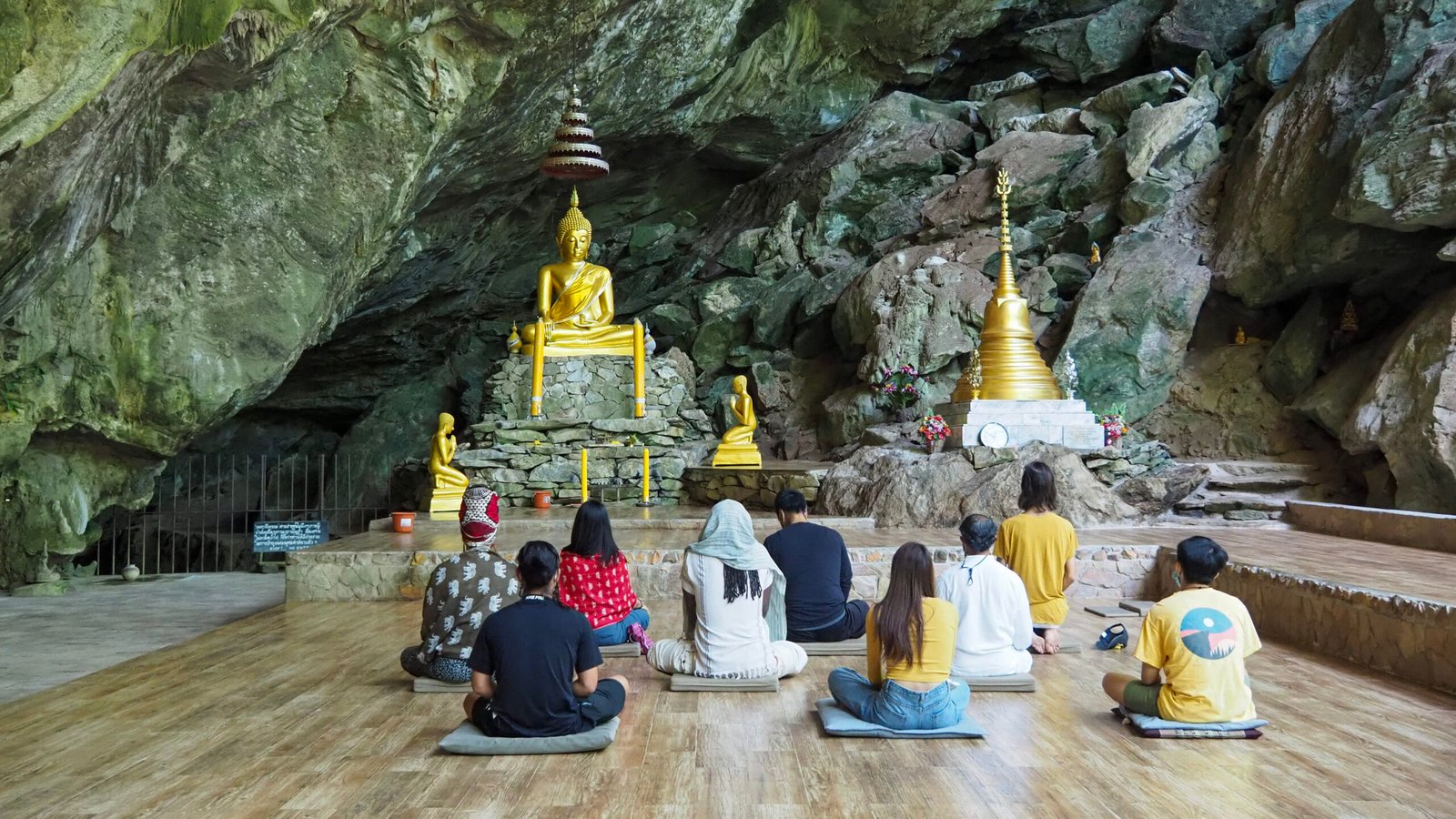
A Simple Five-Minute Meditation
Use this short practice as a starting point:
- Settle in: Sit in a comfortable position or stand somewhere you can pause safely.
- Choose a focus: Notice the feeling of your natural breathing, the sounds around you or the contact between your feet and the floor.
- Stay curious: Pay attention to what you can actually notice rather than trying to create a particular feeling.
- Return gently: When your attention wanders, acknowledge it and come back to your chosen focus.
- Finish gradually: When the timer ends, take a moment to notice your surroundings before moving on.
You can repeat the same practice or choose another meditation focus on a different day.
How Yoga Nidra Differs from a Short Seated Meditation
Some people prefer a guided practice to meditating in silence. Yoga Nidra is one guided relaxation practice, usually done lying down, while meditation can refer to many different methods and positions. If you would like to understand the distinction, read our guide to Yoga Nidra and meditation.
Frequently Asked Questions
Is it normal to feel bored during meditation?
Yes. Repetition, restlessness or a wandering mind can make a session feel boring. You can acknowledge that feeling, return to your focus or choose a different type of meditation on another day.
Do I need to meditate for 20 minutes every day?
No single duration suits everyone. If you are building a routine, start with a length you can manage, such as a few minutes. You can adjust it according to your experience and schedule.
Should I try to clear my mind?
No. Thoughts may continue to appear during meditation. Rather than trying to stop them, notice when your attention has moved and gently return to your chosen focus.
Can I meditate while walking?
Walking meditation is an option for people who find sitting still difficult. Choose a safe path, walk at a comfortable pace and notice the movement and sensations of walking.
What if meditation makes me feel uncomfortable?
You can open your eyes, change your position, switch to a grounding activity or stop the session. Meditation does not require you to push through distress. If a practice repeatedly brings up difficult feelings, consider discussing it with a qualified mental health professional or an experienced, appropriately trained teacher.
Make Your Practice Your Own
A daily meditation practice does not need to look the same every time. Begin with a short session, choose a focus that feels workable and adjust your method when it becomes repetitive. If your mind wanders, return gently. A flexible practice can be easier to continue than one built around strict rules or expectations.
Yoga Samaadhi Upcoming Events Sustainability Activity | Outreach Program | Yoga Teacher Training (Chiang Mai, Thailand)

Read Our Blog
Read our articles on different topics of yoga, sustainability and community updates…
More Details
Yoga TTC in Thailand
Learn about yoga teacher training and how it guides you to a harmonious lifestyle…
More Details
Community Outreach Programs
Find out more about hill tribes, their ways of life and how we can take part in their progress…
More Details
Sustainability Activity
Find spirituality in sustainability, living in harmony with nature and adopting mindfulness…
More Details